Dhliz rating



About
Date and place of birth:
17/07/1898
- Faiyum, Egypt
Date and place of death:
17/10/1982
Years active:*
1930 - 1982
Spouses:
Elina Lunda
-
Aisha Fahmy
-
Saieda Mansour
Relatives:
Abdallah Wahby
* According to Dhliz film database
More information
Biography
- Name: Youssef Wahbi
- Popular epithet: Dean of Arab Theatre
- Date of birth: 17 July 1898
- Place of birth: al-Fayyum, Egypt
- Date of death: 17 October 1982
- Place of death: Cairo, Egypt
- Profession: actor, director, writer, and stage-and-film producer
Early Life and Education
- Born into an affluent family in al-Fayyum; his father, 'Abdullah Pasha Wahbi, was a leading notable in the province and an irrigation inspector.
- Schooled in al-Fayyum and later in Cairo. He showed an early passion for acting, performing with amateur groups before turning professional.
- In the early 1920s, he traveled to Italy, where he trained in theatre and cinema before returning to Egypt.
Entering the Arts
- After his return to Cairo, he founded the Ramses Troupe in 1923, which became the most influential platform for modern theatre in Egypt for decades.
- He moved swiftly into sound cinema, establishing the Ramses Film Company and working as an actor, director, and producer.
Key Milestones and Achievements
- Pioneer of modern Egyptian theatre, including:
- Introducing professional directing practices, modern set design, and innovative lighting.
- Staging world classics and socially engaged plays with realist depth.
- Early champion of Egypt’s sound cinema, through films he produced, acted in, and sometimes directed.
- Known for a stentorian voice, commanding presence, and portrayals of authoritative, high-status characters on stage and screen.
- Author of the celebrated memoir “I Lived a Thousand Years” (Arabic: ‘Ishtu Alf 'Aam).
Major Works
- Theatre:
-
Through the Ramses Troupe, he presented dozens of social dramas, tragedies, and adaptations, making his name synonymous with serious theatre in Egypt.
-
Cinema (selected highlights):
- Awlad al-Zawat (1932) — acting and production. (“Children of the Elite.”)
- al-Difa' (1935) — acting and production. (“The Defense.”)
- Gharam wa Intiqam (1944) — acting and directing. (“Romance and Revenge.”)
- Isha'at Hubb (1960) — acting. (“Rumor of Love.”)
- Ghazal al-Banat — acting. (“The Flirtation of Girls.”)
- Safir Jahannam — acting. (“Ambassador of Hell.”)
Awards and Honors
- Granted the title “Bey” by King Farouk in the 1940s in recognition of his artistic stature.
- Bey: a royal-Ottoman honorific used in Egypt’s monarchical era (below Pasha in rank).
- Received multiple official tributes in Egypt during his lifetime and after his passing.
Personal Life
- From a well-to-do al-Fayyum family, he devoted most of his life to the theatre—its management and craft—and remained closely identified with the Ramses Troupe, which he founded and directed.
Facts and Anecdotes
- The founding of the Ramses Troupe (1923) marked a turning point in Egyptian theatre, establishing professional standards in performance and direction.
- Among the earliest to embrace sound film in Egypt through the Ramses Film Company.
- His life and theatrical leadership are taught in Arabic sources as foundational to Egyptian arts in the first half of the 20th century.
Notes on terms: - Troupe: a professional theatre company. - Pasha: a high-ranking Ottoman-era honorific once used in Egypt; higher than the title Bey.
Films (72)


Progression
 Fi Layla Momtera
(1939)
Fi Layla Momtera
(1939)
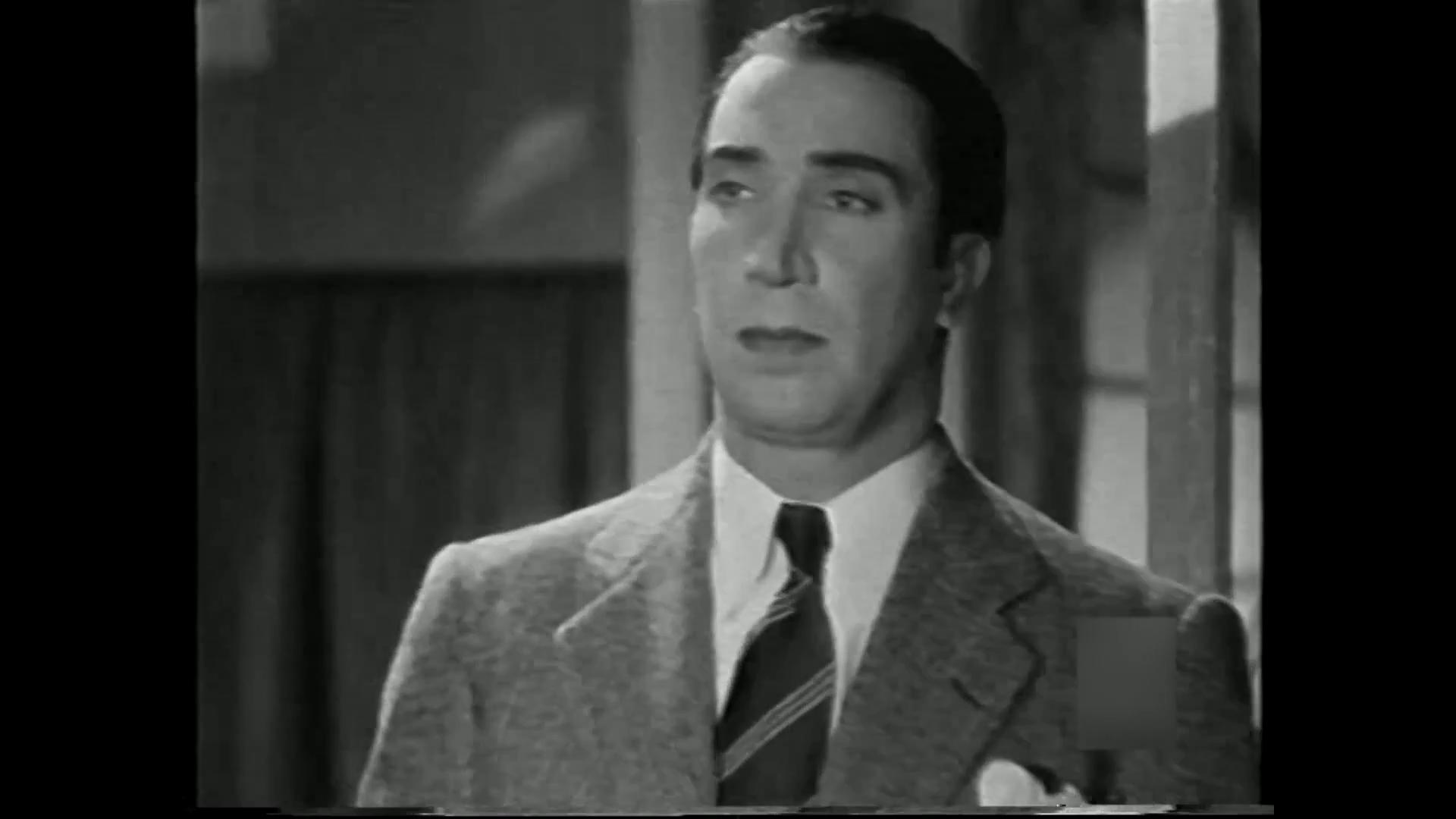 3Aris Men Istanbul
(1941)
3Aris Men Istanbul
(1941)
 Awlad Al-Foqara2
(1942)
Awlad Al-Foqara2
(1942)
 Gawhara
(1943)
Gawhara
(1943)
 Gharam Wa Enteqam
(1944)
Gharam Wa Enteqam
(1944)
 Al-Fannan Al-3Azim
(1945)
Al-Fannan Al-3Azim
(1945)
 Malak Al-Ra7Ma
(1946)
Malak Al-Ra7Ma
(1946)
 Darbat Al-Qadar
(1947)
Darbat Al-Qadar
(1947)
 Korsy Al-E3Teraf
(1949)
Korsy Al-E3Teraf
(1949)
 Habib Al-Rou7
(1951)
Habib Al-Rou7
(1951)
 Al-Moharreg Al-Kabir
(1952)
Al-Moharreg Al-Kabir
(1952)
 7Ayah Aw Mawt
(1954)
7Ayah Aw Mawt
(1954)
Professional network
Show common films with
Family tree


Gallery (861)






Posters (13)


Screenwriter (36)




Director (30)

Producer (1)
Scenery and art (1)