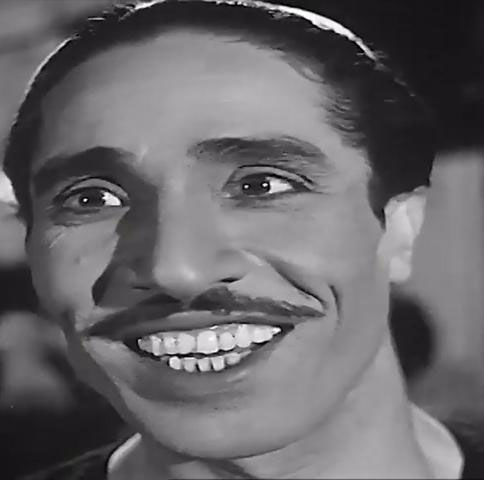
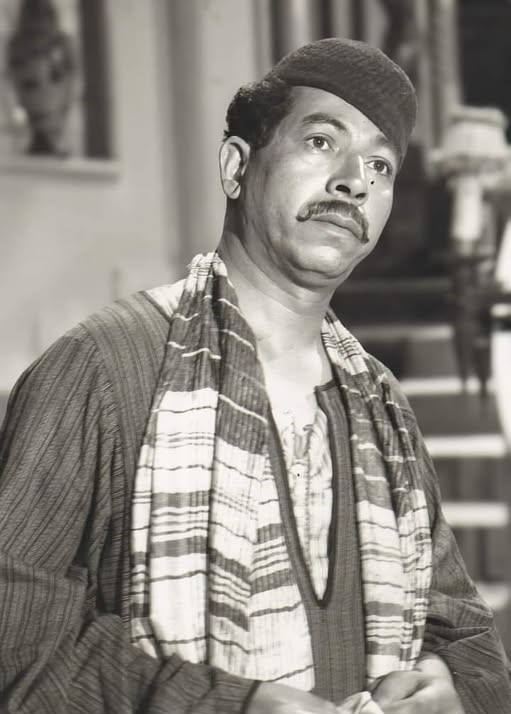
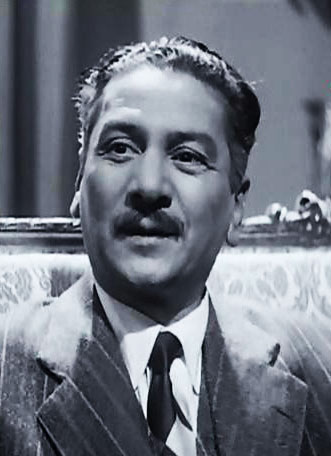
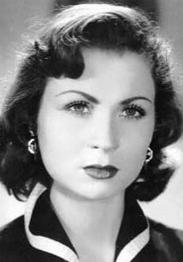
Fardous Muhammad
 100 films or more
 25 active years or more
About
Date and place of birth:
13/07/1906
Date and place of death:
22/09/1961
Years active:*
1935 - 1960
Spouses:
* According to Dhliz film database
More info
Profile
Overview
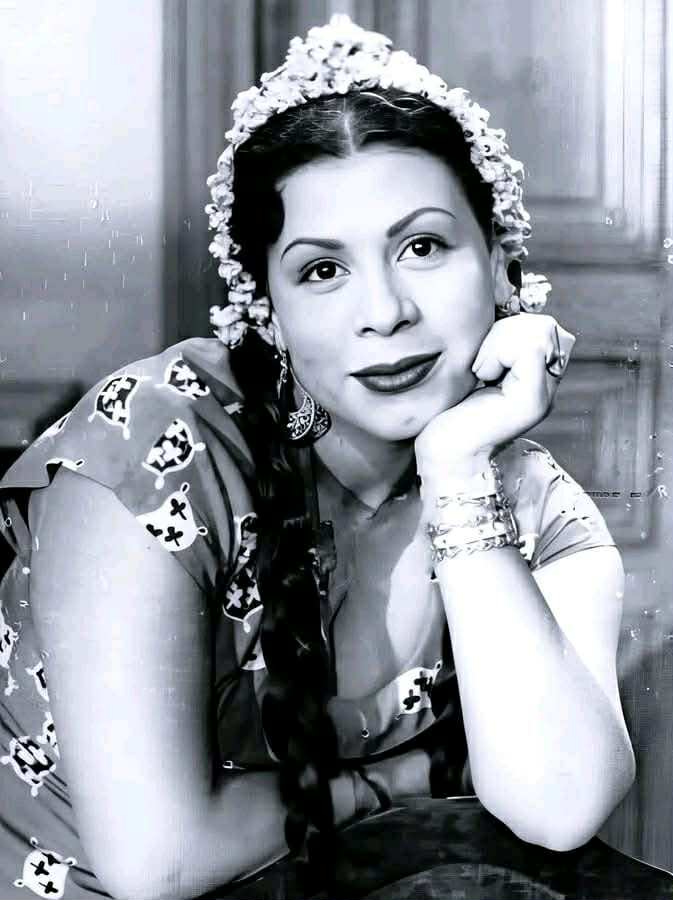
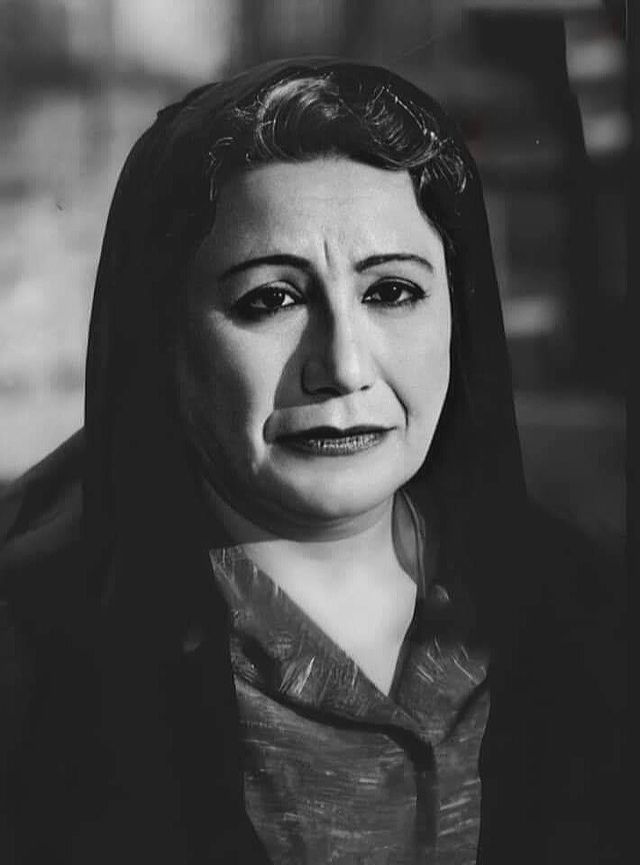
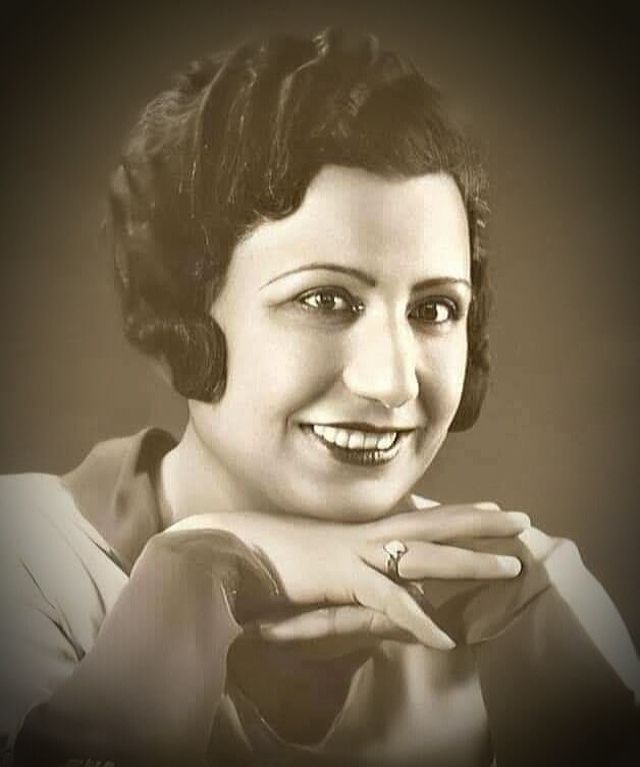
Ferdous Mohamed was a prominent Egyptian actress, celebrated as the “Mother of Egyptian Cinema” for her captivating, true-to-life portrayals of mothers in dozens of films throughout the 1940s and 1950s. Her career spanned many years, and she became a lasting symbol of the kind, patient Egyptian mother in the collective memory.
Note: “Mother of Egyptian Cinema” is an honorary title widely used to acknowledge how she shaped the on-screen archetype of the mother in classic Egyptian films.
Birth and Death
- Born: July 13, 1906 – Cairo, Egypt
- Died: September 22, 1961 – Cairo, Egypt
Early Life and Education
- She was raised and educated in Cairo.
- She began acting on stage at an early age, then transitioned to film in the 1930s—a formative decade for Egypt’s emerging film industry.
Career
- Years active: from the 1930s to the early 1960s.
- Appeared in more than one hundred Egyptian films.
- She was renowned for bringing depth and emotional resonance to mother roles, becoming an enduring icon of this character type in classic Egyptian cinema.
Signature Traits and Roles
- Best known for playing the wise, kind-hearted mother with a clear social dimension.
- Distinguished by truthful, understated acting and an expressive vocal tone that served the scene without affectation.
Notable Works
- Sayyidat al-Qasr (Lady of the Palace)
- Ghazal al-Banat (The Flirtation of Girls)
- al-Fursan al-Thalatha (The Three Musketeers)
- Layla bint al-Rif (Layla, the Country Girl)
- 'Antar ibn Shaddad (Antar, Son of Shaddad)
- Salama fi Khair (Salama Is Fine)
Honors
- The widely used title “Mother of Egyptian Cinema” stands as a symbolic tribute to her artistic stature.
Legacy and Influence
- She cemented the screen image of the Egyptian mother and influenced how this role was written and performed for decades afterward.
Films (139)
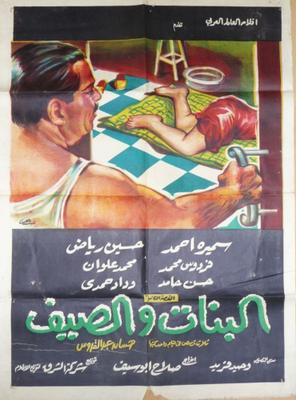
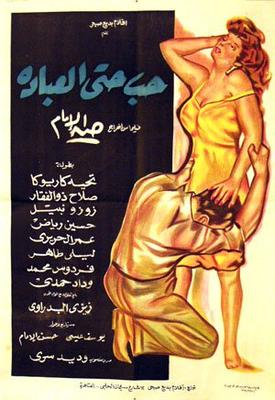
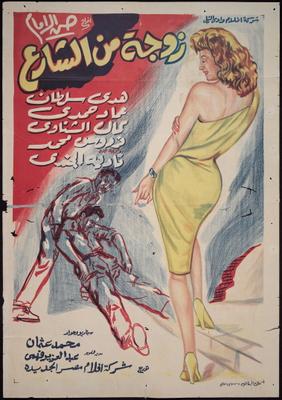

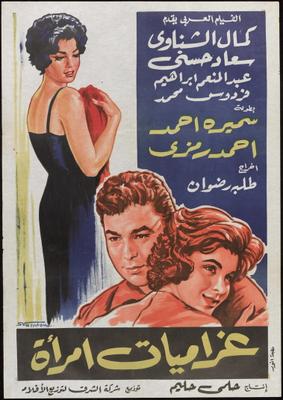
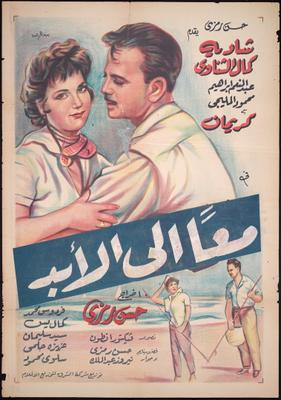
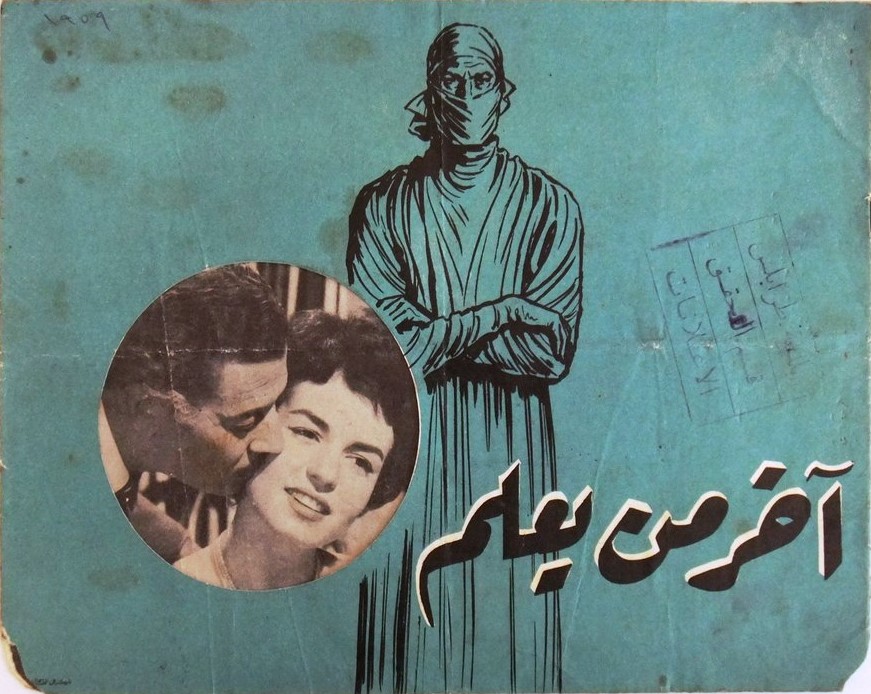


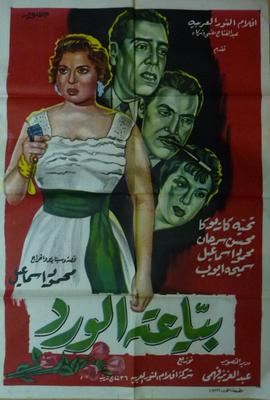

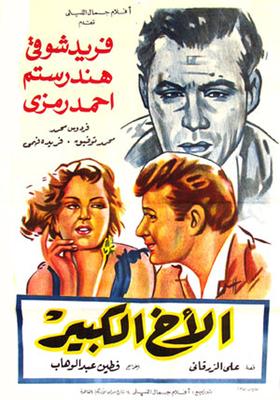
Gallery (869)


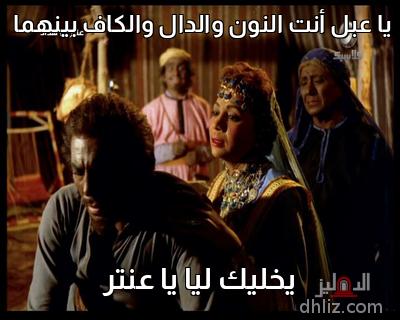
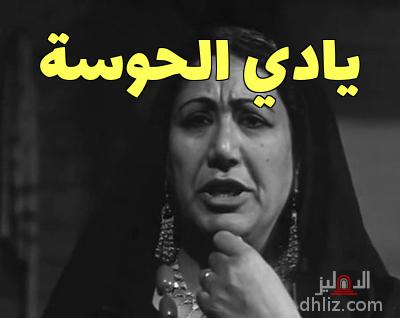
User memes (6)



Professional network
Find common works with



Trivia (3)
She lived as an orphan of both parents, and a family related to her mother raised her.
She joined the troupe of Abdel-Aziz Khalil, and the Okasha Brothers troupe in 1922.
Most of her roles were mother roles, but often the mother was strong-willed.
Gallery (869)
Posters (6)
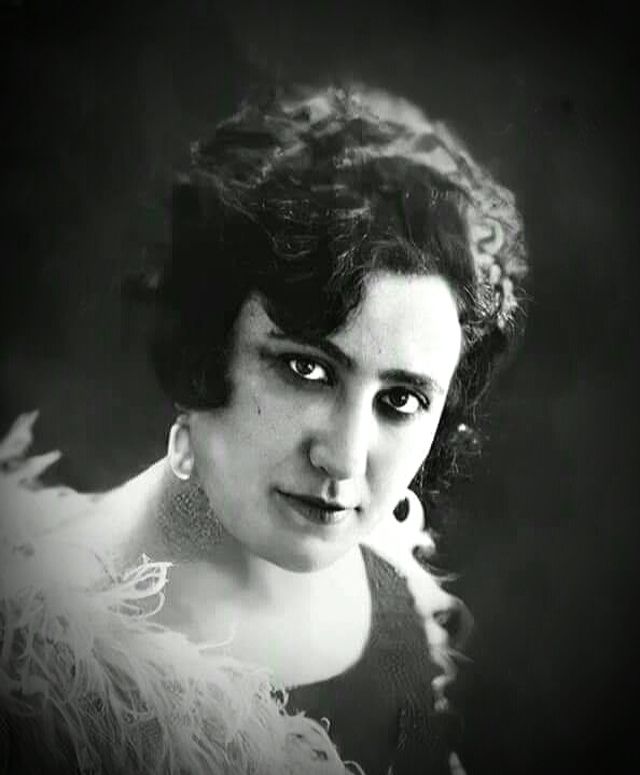
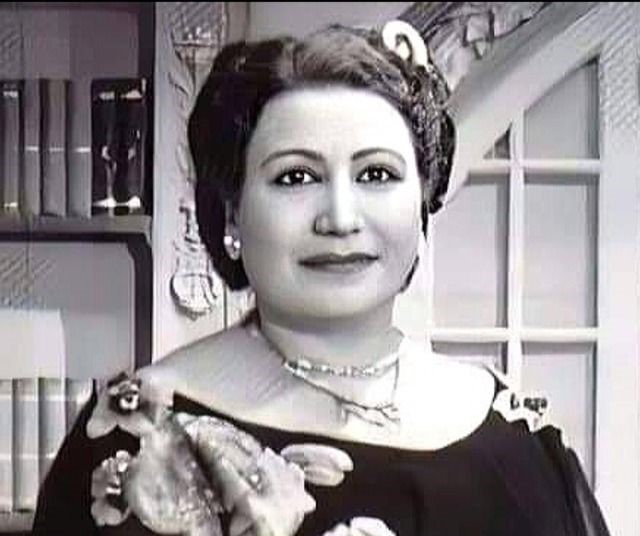
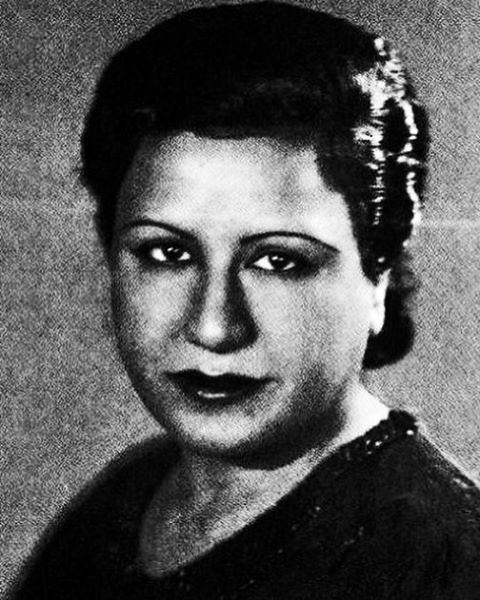
Through the years

Make meme
Salama Fe Kheir
(1937)

Make meme
Fi Layla Momtera
(1939)

Make meme
Laila Bent Al-Reef
(1941)

Make meme
3ala Masra7 Al-7ayah
(1942)

Make meme
Wady Al-Nogoum
(1943)
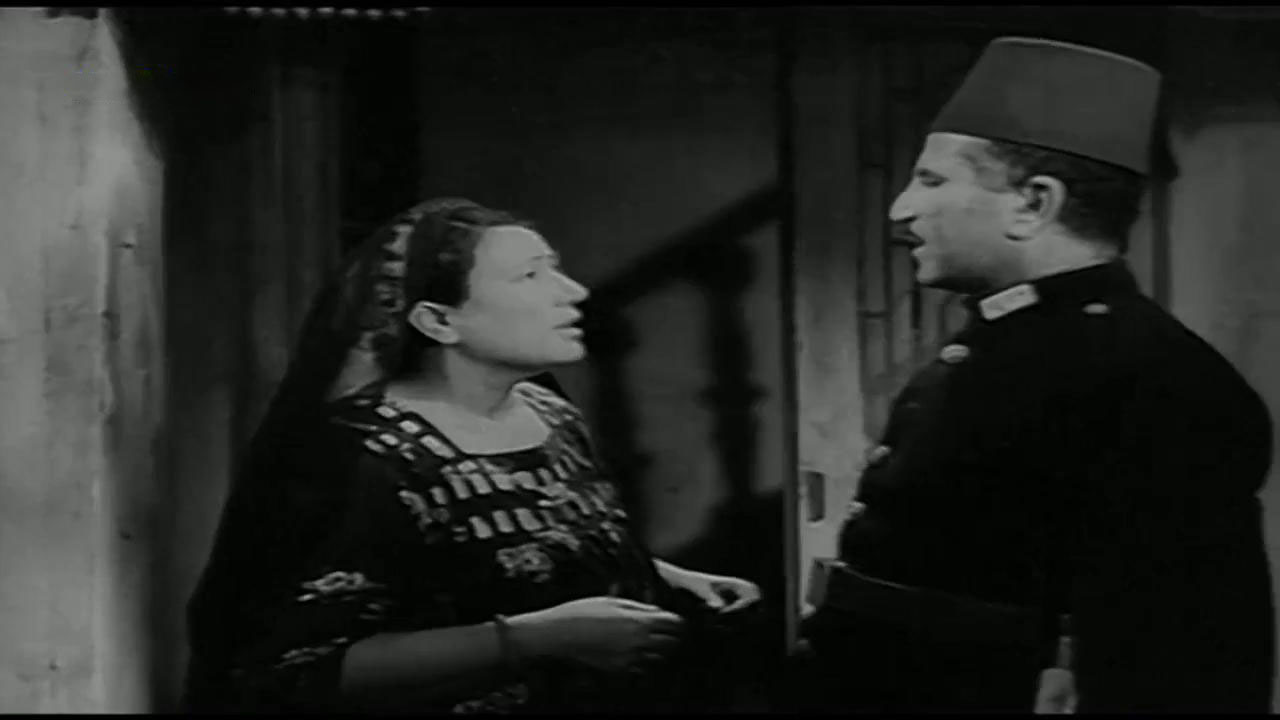
Make meme
Taqeyat Al-Ekhfa2
(1944)
See also