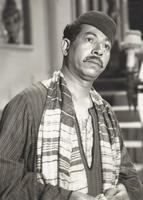
Tawfik El-Deken
 200 films or more
 30 active years or more
 Great villain
About
Date and place of birth:
03/05/1924
Date and place of death:
26/11/1988
Years active:*
1951 - 1988
* According to Dhliz film database
More info
Tawfiq al-Daqn
- Name: Tawfiq al-Daqn
- Profession: Egyptian actor (an icon of the witty, light-footed villain in classic Egyptian cinema)
- Date of birth: 3 May 1924
- Place of birth: Dakahlia Governorate, Egypt
- Date of death: 26 November 1988
- Place of death: Cairo, Egypt
- Marital status: Married, with children
- Education: Higher Institute of Dramatic Arts (enrolled and graduated in the late 1940s)
- Artistic beginnings: On stage with the National Troupe/National Theatre, before a major breakthrough in film in the 1950s
Overview and Career
- He cemented the screen image of the “charming villain,” blending sternness with sly humor, and giving human, often satirical shades to roles like the neighborhood strongman (futuwwa), thug (baltagi), gangster, and corrupt clerk.
- His work spanned cinema, theatre, radio, and television. From the 1950s through the 1970s, he appeared in a large number of productions, becoming one of the most distinctive faces in scene-stealing supporting roles.
- Known for a singular voice and delivery, plus a commanding physical presence that suited roles of power and authority—balanced by pinpoint comic timing that made his “bad guys” beloved despite their villainy.
Selected Works
- Struggle in the Port (Sira' fi al-Mina', 1956)
- The Bully (al-Futuwa, 1957)
- Ibn Hamidu (Son of Hamidu)
- Struggle on the Nile (Sira' fi al-Nil, 1959)
- Secret of the Invisibility Cap (Sirr Taqiyet al-Ikhfa', 1959)
- Cairo 30 (al-Qahira 30, 1966)
- The Devil Preaches (al-Shaytan Ya'iz)
- At the Minister’s Gate ('ala Bab al-Wazir)
Notes and Cultural Impact
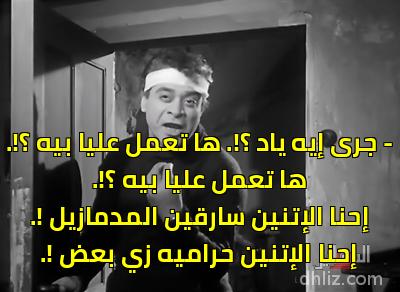
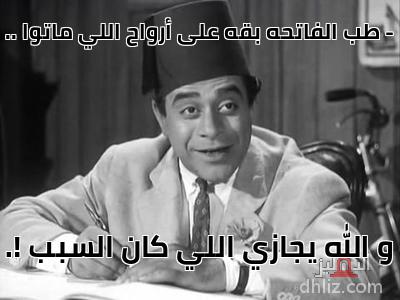
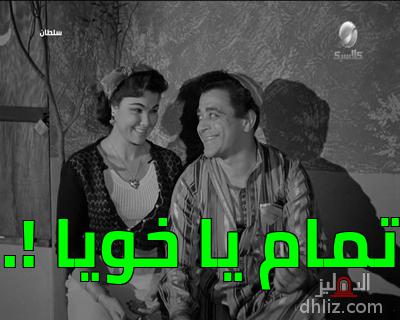
- He popularized sharp, humorous catchphrases that became part of everyday Egyptian speech, including:
- “Salat al-Nabi ahsan” (“Bless the Prophet—always best!”), a playful, pious exclamation used to lighten the mood.
- “Ahla min al-sharaf mafish” (“Nothing beats honor!”), often delivered with biting irony by corrupt characters.
- “W maloh, ya khoya” (“So what, brother?”), a breezy way to dismiss objections.
- His performances helped define the archetype of the charismatic villain in the golden age of Egyptian cinema, and his legacy has endured long after his passing.
Films (216)




Guest of honor (11)


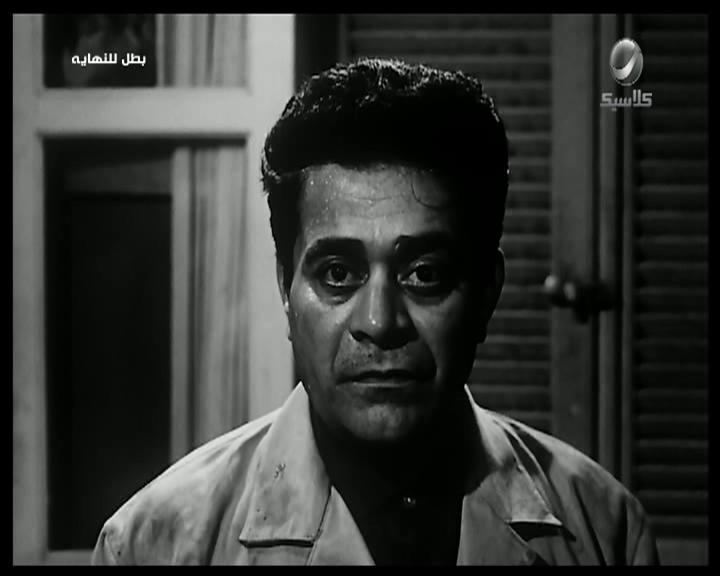
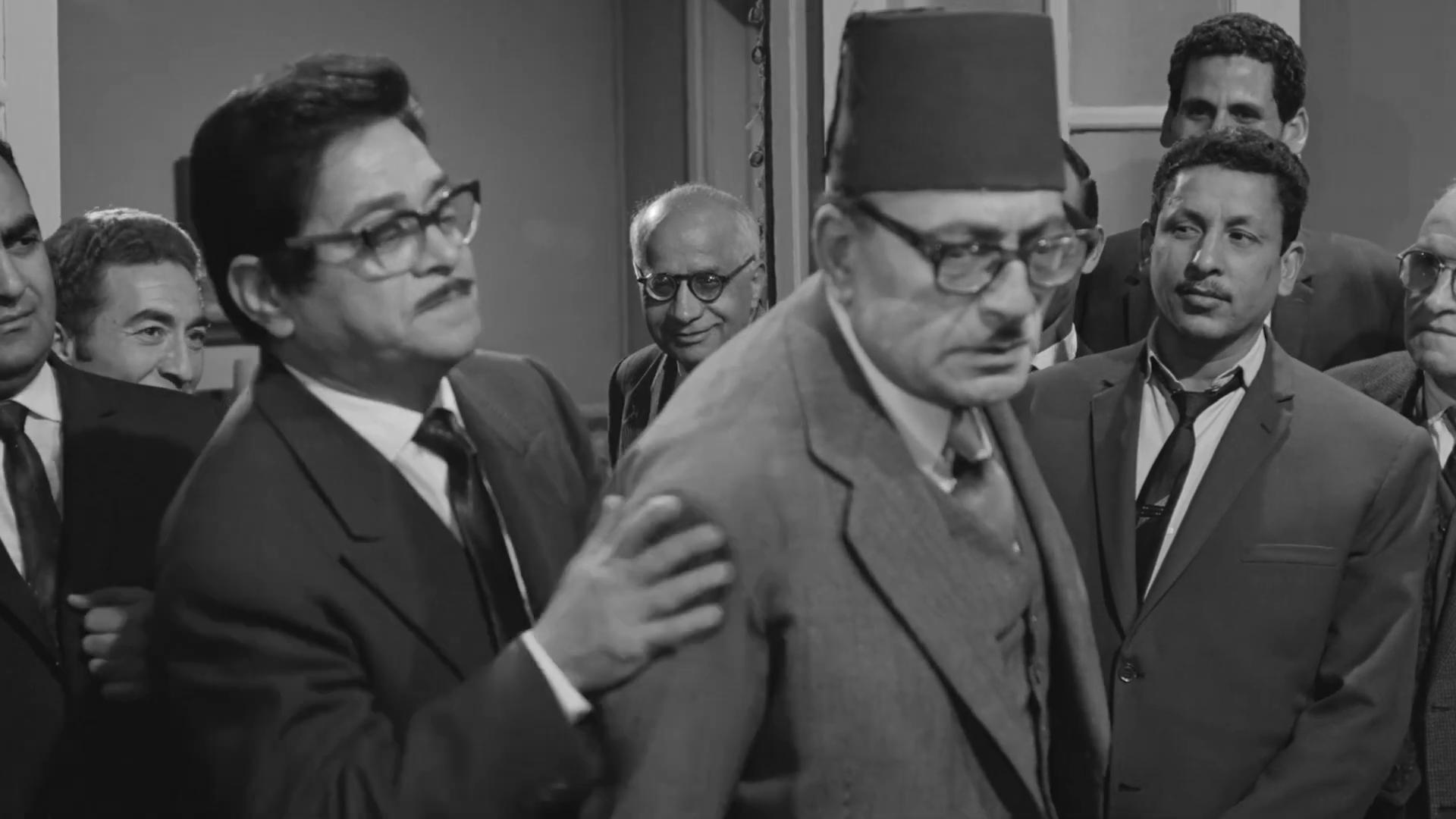
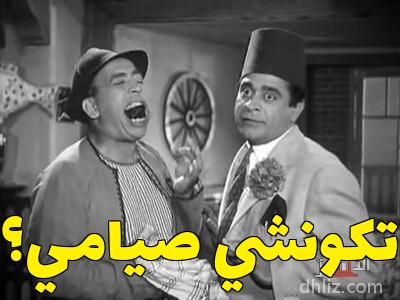
Gallery (632)




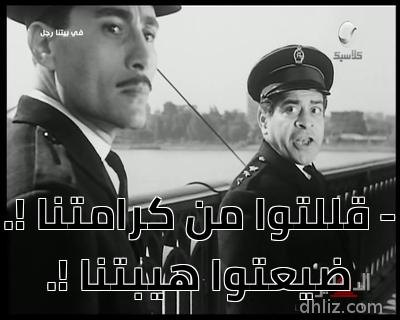
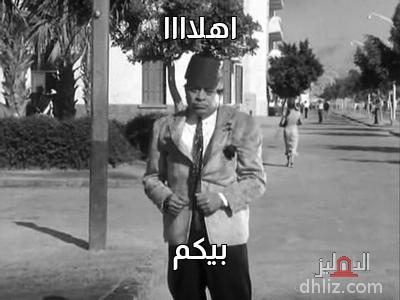
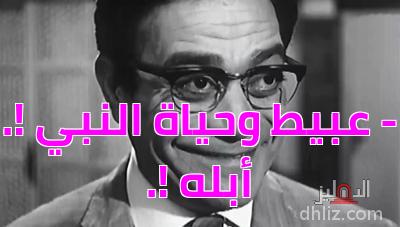
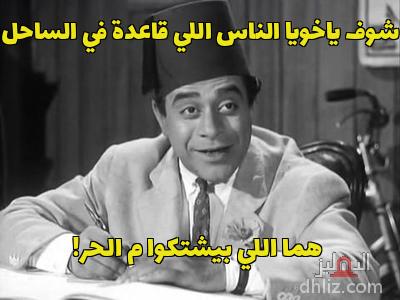
Professional network
Find common works with
Roles (18)





Trivia (3)
He entered the arts while he was a student at the institute.
After graduating from the institute, he joined the Free Theater for seven years.
He joined the National Theater until his retirement.
Gallery (632)
Posters (4)


Through the years
 Al-Sab3 Afandy
(1951)
Al-Sab3 Afandy
(1951)
 Shaytan Al-Sa7ara2
(1954)
Shaytan Al-Sa7ara2
(1954)
 Ma7addesh Wakhen Menha 7aga
(1955)
Ma7addesh Wakhen Menha 7aga
(1955)
 Wadda3t Hobbak
(1956)
Wadda3t Hobbak
(1956)
 Ibn 7amido
(1957)
Ibn 7amido
(1957)
 Ana Al-Sharq
(1958)
Ana Al-Sharq
(1958)
 Serr Taqeyat Al-Ekhfa2
(1959)
Serr Taqeyat Al-Ekhfa2
(1959)
 Ismail Yassine Fel-Segn
(1960)
Ismail Yassine Fel-Segn
(1960)
 Fe Baytona Ragol
(1961)
Fe Baytona Ragol
(1961)
 Kollohom Awlady
(1962)
Kollohom Awlady
(1962)
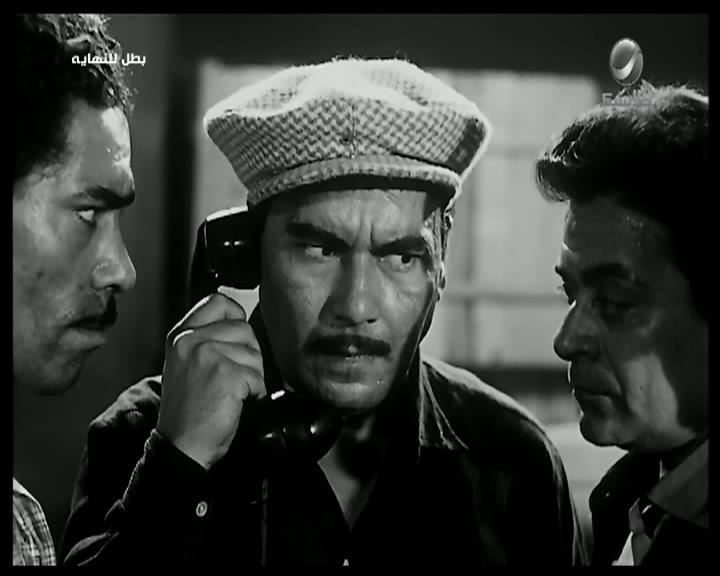 Batal Lelnehaya
(1963)
Batal Lelnehaya
(1963)
 Al-Mared
(1964)
Al-Mared
(1964)
Awards (2)
Order of Sciences.
Order of Merit and Distinction.