Dhliz rating



About
Date and place of birth:
24/06/1918
Date and place of death:
16/12/1991
Years active:*
1945 - 1993
Spouses:
Alice Yaacoub
Children:
Hussein Salah Nazmy
* According to Dhliz film database
More information
Concise Biography of Salah Nazmi
- Name: Salah Nazmi
- Profession: Egyptian film, television, and radio actor
- Date of Birth: 24 June 1918
- Date of Death: 16 December 1991
- Nationality: Egyptian
Early Life and Education
- He began his professional career as an employee at the Telephone Authority (the Telephones Department) and remained there for several years before moving into acting full-time.
Beginnings and Entry into the Arts
- He started with small roles in the late 1940s and early 1950s, alongside radio and stage work, then eventually devoted himself entirely to acting.
- From the outset, his commanding presence and resonant voice helped him embody figures of authority—such as domineering officials, businessmen, and pashas.
Note: “Pasha” (basha) is an Ottoman-era title used in Egypt for high-ranking elites.
Career and Artistic Traits
- One of the standout character actors of classical Egyptian cinema, he became closely associated with stern and villainous roles, and excelled at portraying bureaucratic officials and strict fathers. He also appeared in occasional social dramas and light comedies.
- His career spanned continuously from the 1950s through the late 1980s, with a large body of work across film, television, and radio.
Note: “Character actor” refers to a performer who specializes in supporting roles with strong, distinctive traits rather than leading parts.
Selected Works
He amassed hundreds of credits across cinema, TV, and radio. Among his most notable films: - The Second Man (al-Rajul al-Thani) - Jamila (Jamila) - Saladin the Victorious (Al-Nasir Salah al-Din) - A Touch of Fear (Shay' min al-Khawf) - The Return of the Most Dangerous Man in the World - Chitchat on the Nile (Tharthara Fawq al-Nil) - Searching for a Scandal (al-Bahth 'an Fadiha) - The Advocate (al-Afokato) - At the Minister’s Gate ('Ala Bab al-Wazir)
Impact and Legacy
- He is regarded as a quintessential specialist in complex, authority-tinged “elegant villain/powerful official” roles in Egyptian cinema of the 1950s–1970s.
- His performances are frequently cited for giving secondary roles real weight and distinction—through economical expression and sharply defined character traits.
Films (209)



Progression
 Hatha Ganah Aby
(1945)
Hatha Ganah Aby
(1945)
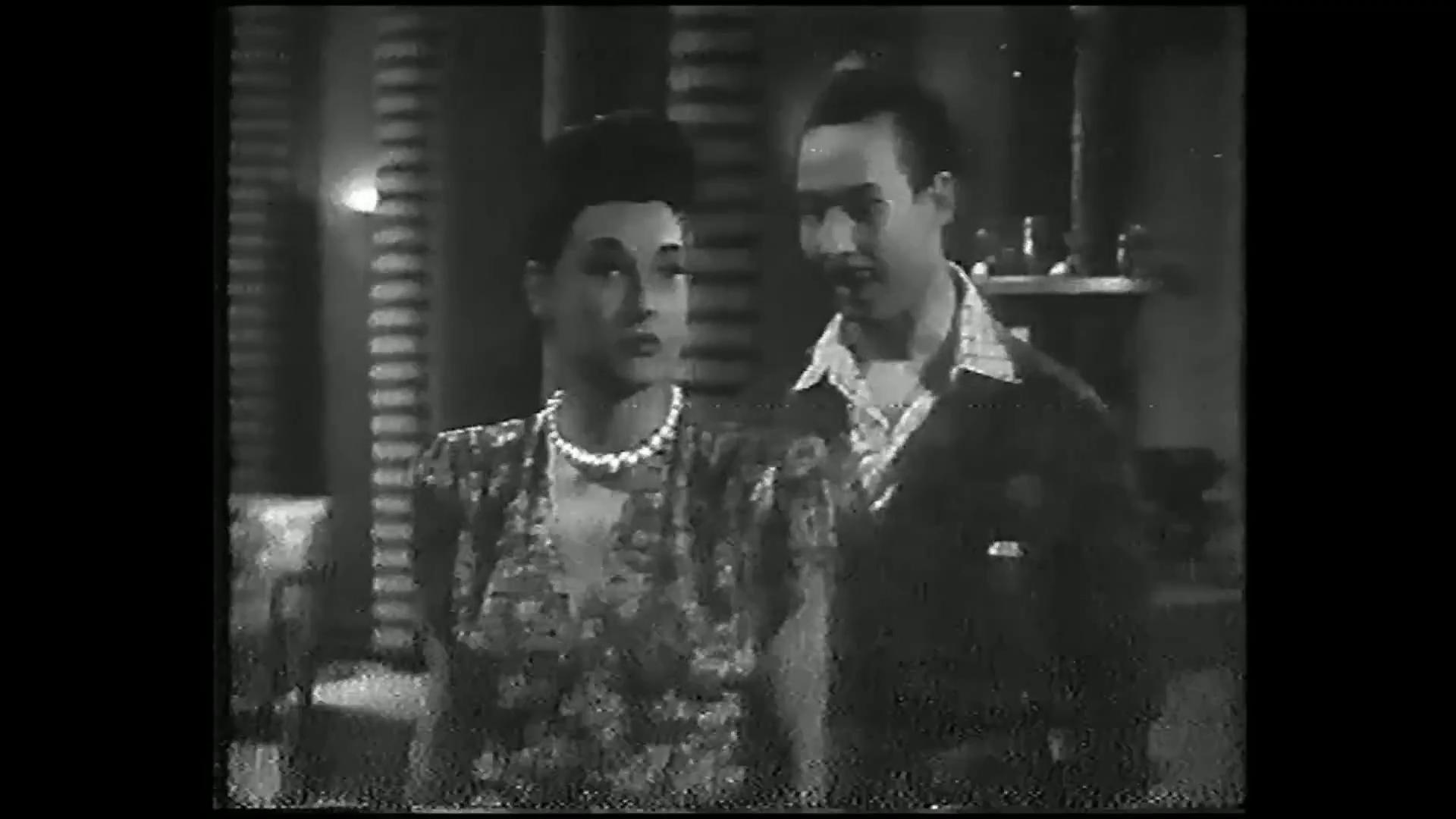 Baya3Et Al-Yanaseeb
(1947)
Baya3Et Al-Yanaseeb
(1947)
 Sett Al-7Osn
(1950)
Sett Al-7Osn
(1950)
 Al-Ostatha Fatma
(1952)
Al-Ostatha Fatma
(1952)
 Ard Al-Abtal
(1953)
Ard Al-Abtal
(1953)
 Raqsat Al-Wada3
(1954)
Raqsat Al-Wada3
(1954)
 Inny Ra7Ela
(1955)
Inny Ra7Ela
(1955)
 Da3Wet Al-Mazloum
(1956)
Da3Wet Al-Mazloum
(1956)
 Ard Al-Salam
(1957)
Ard Al-Salam
(1957)
 Abo 3Oyoun Gari2A
(1958)
Abo 3Oyoun Gari2A
(1958)
 Bein Al-Atlal (Ethkoriny)
(1959)
Bein Al-Atlal (Ethkoriny)
(1959)
 Al-Rebat Al-Moqaddas
(1960)
Al-Rebat Al-Moqaddas
(1960)
Professional network
Show common films with
Family tree



Gallery (485)


Posters (4)


Screenwriter (1)

Characters (16)