Dhliz rating




About
Date and place of birth:
22/12/1910
Date and place of death:
06/06/1983
Years active:*
1933 - 1984
Spouses:
* According to Dhliz film database
More information
Brief Biography
- Name: Mahmoud Hassan El-Meligy
- Date of Birth: 22 December 1910
- Place of Birth: al-Maghrablin district, Cairo, Egypt
- Date of Death: 6 June 1983
- Profession: Stage, film, and television actor
- Popular Nickname: “The Screen’s Villain” — despite delivering deeply humane, nuanced roles alongside his villainous portrayals
- Body of Work: Appeared in hundreds of productions; among the most prolific and enduring presences in the history of Egyptian cinema
Note on nickname: “The Screen’s Villain” (Sharir al-shasha) is a widely used cultural label in Egypt for actors renowned for playing antagonists; El-Meligy redefined it by bringing psychological depth and empathy to such roles.
Early Life and Beginnings
- Raised in Cairo, he stood out early for his acting talent through school activities.
- In the late 1920s, he joined professional theater troupes in Cairo, spending years on stage that honed his craft and technique.
Path to Cinema
- Began working in film in the 1930s, progressing from small parts to complex, layered roles.
- Became celebrated for his calm, intelligent, and charismatic villains, distinguished by subtle psychological variations. This made him a defining figure for powerful, domineering characters, while he also anchored major roles in social and historical dramas.
Artistic Traits and Style
- An economical performer: minimal movement, precise expression, and commanding screen presence.
- Mastery of accent, delivery, and emotional shading, enabling him to move convincingly between the harshness of the villain and the warmth of popular and rural characters.
- Left a lasting imprint across theater, cinema, and television, continuing to act into his final years.
Selected Works
- The Land (al-Ard, 1970)
- Jamila the Algerian (Gamila, 1958)
- Oh Islam! (Wa Islamah, 1961)
- Struggle in the Nile (Sira‘ fi al-Nil, 1959)
- A Hero to the End (Batal lin-Nihaya)
- Play: The Lesson Is Over, You Fool (Intaha al-Dars Ya Ghabi)
- Between Heaven and Earth (Bayn al-Sama wa al-Ard)
Notes on titles: - Some works are widely known by their Arabic titles; English renderings above are common translations used to clarify genre and theme for non-Arabic readers.
Awards and Honors
- Received official and festival recognitions in Egypt and abroad for multiple roles, reflecting his stature and pioneering contributions to acting.
Personal Life
- Married, and his marriage lasted until his passing.
Passing and Legacy
- Died on 6 June 1983 of a sudden heart attack while in the midst of work.
- Regarded as a pillar of acting in Egypt and the Arab world: a master of complex character work, and a touchstone for generations on how to craft a psychologically complete, profoundly human villain.
Films (357)




Progression
 Qays Wa Laila
(1939)
Qays Wa Laila
(1939)
 Qalb Emra2A
(1940)
Qalb Emra2A
(1940)
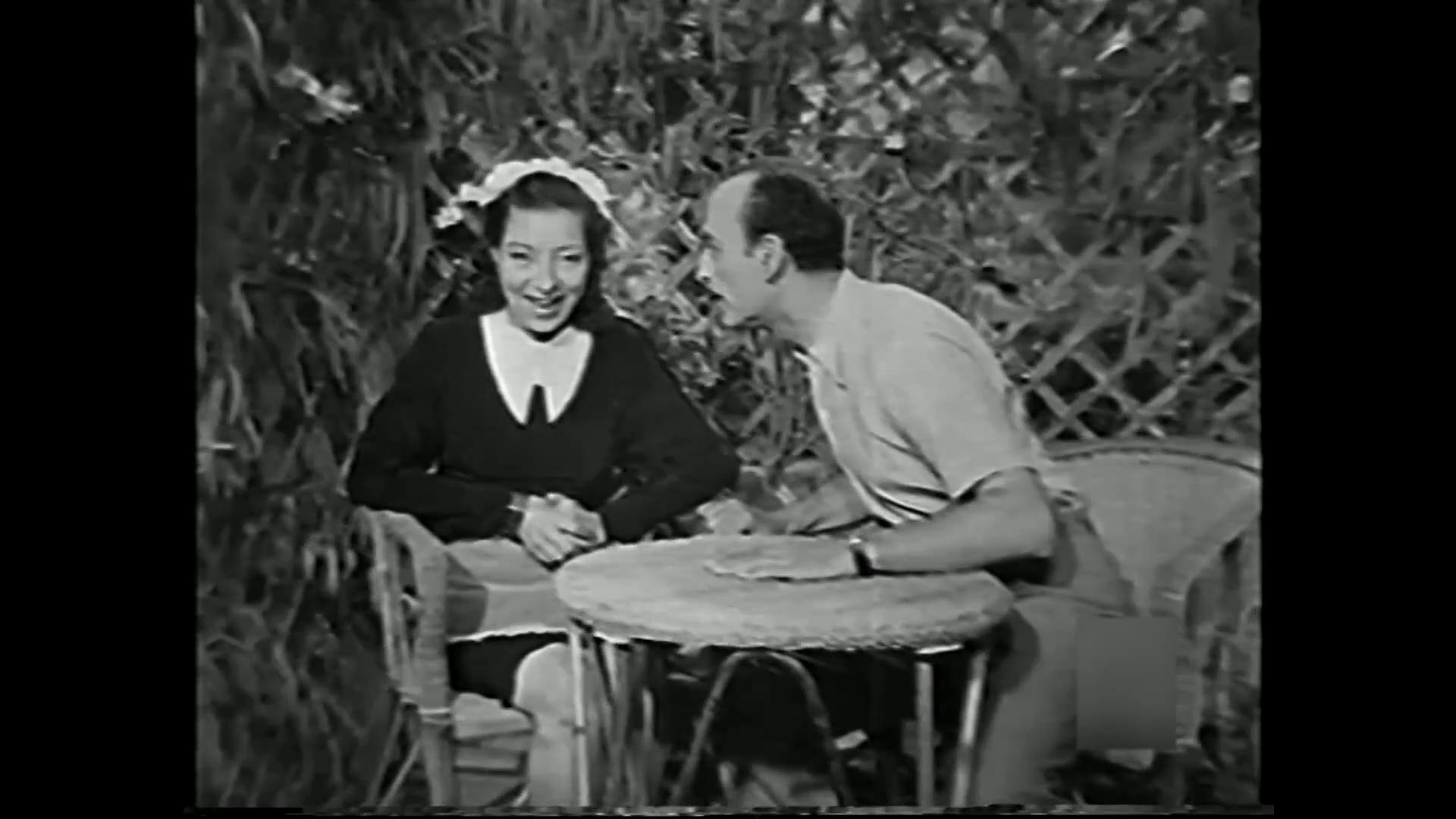 3Aris Men Istanbul
(1941)
3Aris Men Istanbul
(1941)
 Awlad Al-Foqara2
(1942)
Awlad Al-Foqara2
(1942)
 Ibn Al-7Addad
(1944)
Ibn Al-7Addad
(1944)
 Safir Gohannam
(1945)
Safir Gohannam
(1945)
 Dayman Fe Qalby
(1946)
Dayman Fe Qalby
(1946)
 Darbat Al-Qadar
(1947)
Darbat Al-Qadar
(1947)
 Al-Settat 3Afariet
(1948)
Al-Settat 3Afariet
(1948)
 3Oqbal Al-Bakary
(1949)
3Oqbal Al-Bakary
(1949)
 Amir Al-Enteqam
(1950)
Amir Al-Enteqam
(1950)
 Ibn Al-Niel
(1951)
Ibn Al-Niel
(1951)
Professional network
Show common films with
Family tree



Gallery (2343)




Posters (1)
Screenwriter (5)


Other activities (1)

Characters (38)