Dhliz rating



About
Date and place of birth:
1912
- Abu Tig, Asiut, Egypt
Date and place of death:
01/12/1962
Years active:*
1940 - 1965
Children:
* According to Dhliz film database
More information
About the Artist
- Name: Fakher Fakher
- Nationality: Egyptian
- Profession: Actor
- Years Active: From the 1930s to the early 1960s
- Date of Birth: 1 January 1912
- Date of Death: 1 December 1962
- Family: Father of actress Hala Fakher
Biography and Career
- One of the standout supporting actors in Egyptian cinema during the 1940s, 1950s, and early 1960s. He was known for a commanding screen presence and a finely tuned portrayal of authority figures such as the police officer, the prosecutor, the manager, and the village mayor (al-'Umda—meaning the head of a village).
- His stern features and powerful voice made him a frequent choice for serious, decisive characters. He also delivered moving dramatic performances that left a clear impression on audiences.
- Prolific on screen, he was a mainstay of many films that defined the era’s social drama and crime trends.
Selected Works
- Raseef Nemra 5 (Quay No. 5, 1956)
- al-Liss wal-Kilab (The Thief and the Dogs)
- al-Khataaya (The Sins)
- 'Antar ibn Shaddad (Antar, Son of Shaddad)
- al-Futuwwa (The Strongman; “futuwwa” refers to a tough neighborhood enforcer)
- Rodd Qalbi (Return My Heart)
- al-'Avokato Madiha (Madiha the Lawyer)
- Safir Jahannam (Ambassador of Hell)
- Gharam wa Intiqam (Love and Revenge)
- Layla bint al-Rif (Layla, Girl of the Countryside)
Facts and Notes
- A fixture in the visual memory of classic Egyptian cinema; he helped shape performance styles for roles embodying law and authority, which are still referenced when discussing that period.
Films (94)


Progression
 Qalb Emra2A
(1940)
Qalb Emra2A
(1940)
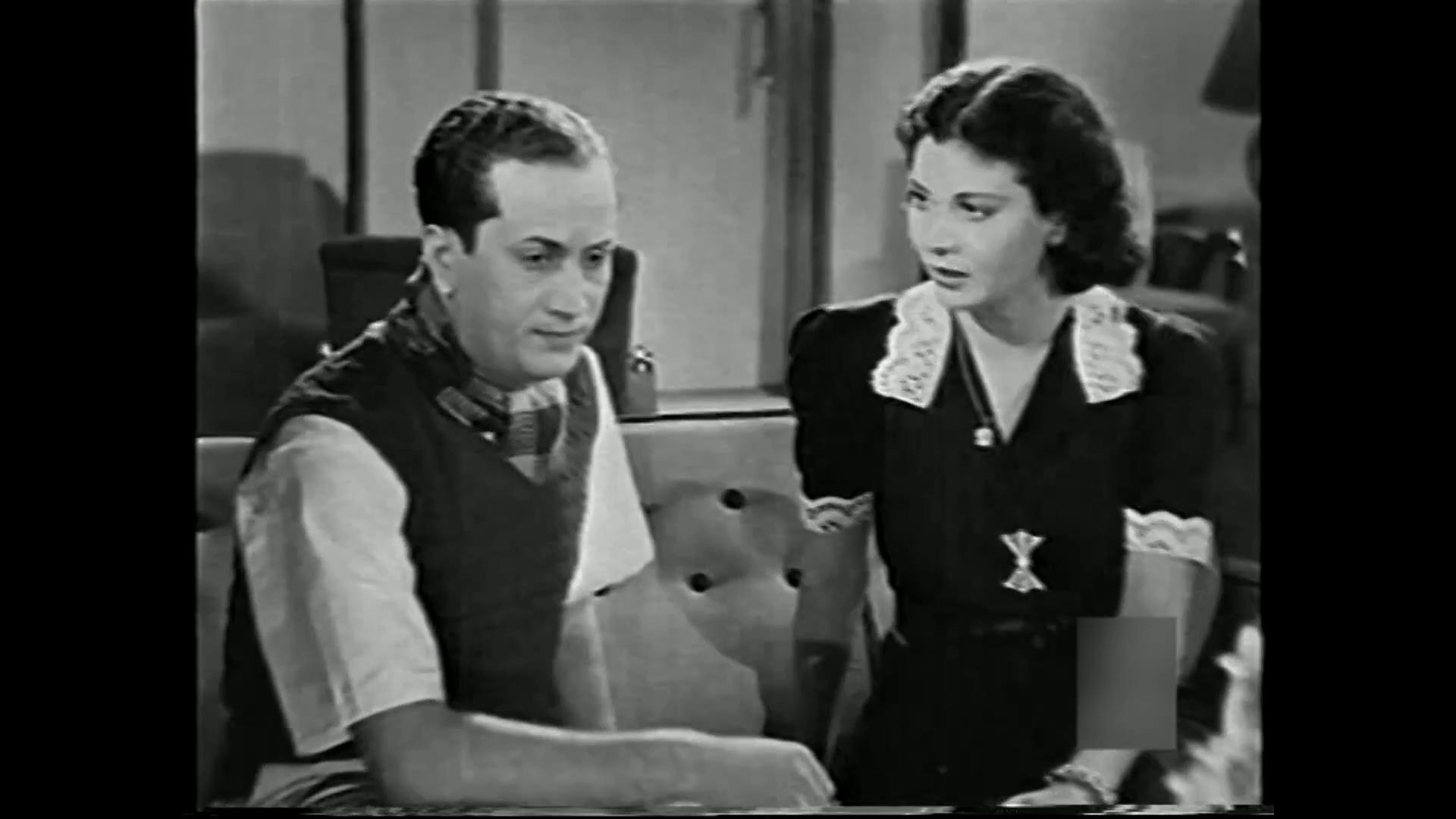 3Aris Men Istanbul
(1941)
3Aris Men Istanbul
(1941)
 Awlad Al-Foqara2
(1942)
Awlad Al-Foqara2
(1942)
 Gawhara
(1943)
Gawhara
(1943)
 Gharam Wa Enteqam
(1944)
Gharam Wa Enteqam
(1944)
 Al-Fannan Al-3Azim
(1945)
Al-Fannan Al-3Azim
(1945)
 Malak Al-Ra7Ma
(1946)
Malak Al-Ra7Ma
(1946)
 Moghamarat 3Antar Wa 3Abla
(1948)
Moghamarat 3Antar Wa 3Abla
(1948)
 Bayoumy Effendi
(1949)
Bayoumy Effendi
(1949)
 Fel-Hawa Sawa
(1951)
Fel-Hawa Sawa
(1951)
 Ghadab Al-Waledayn
(1952)
Ghadab Al-Waledayn
(1952)
 Al-Hob Fel-Zalam
(1953)
Al-Hob Fel-Zalam
(1953)
Professional network
Show common films with
Family tree


Gallery (386)



Posters (2)

Director (1)

Characters (3)