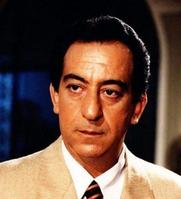
Dhliz rating




About
Date and place of birth:
23/01/1949
Date and place of death:
14/12/2016
Years active:*
1973 - 2017
Children:
Lamiaa
-
Lubna
-
Lamis
-
Yasmine
* According to Dhliz film database
More information
About the Artist
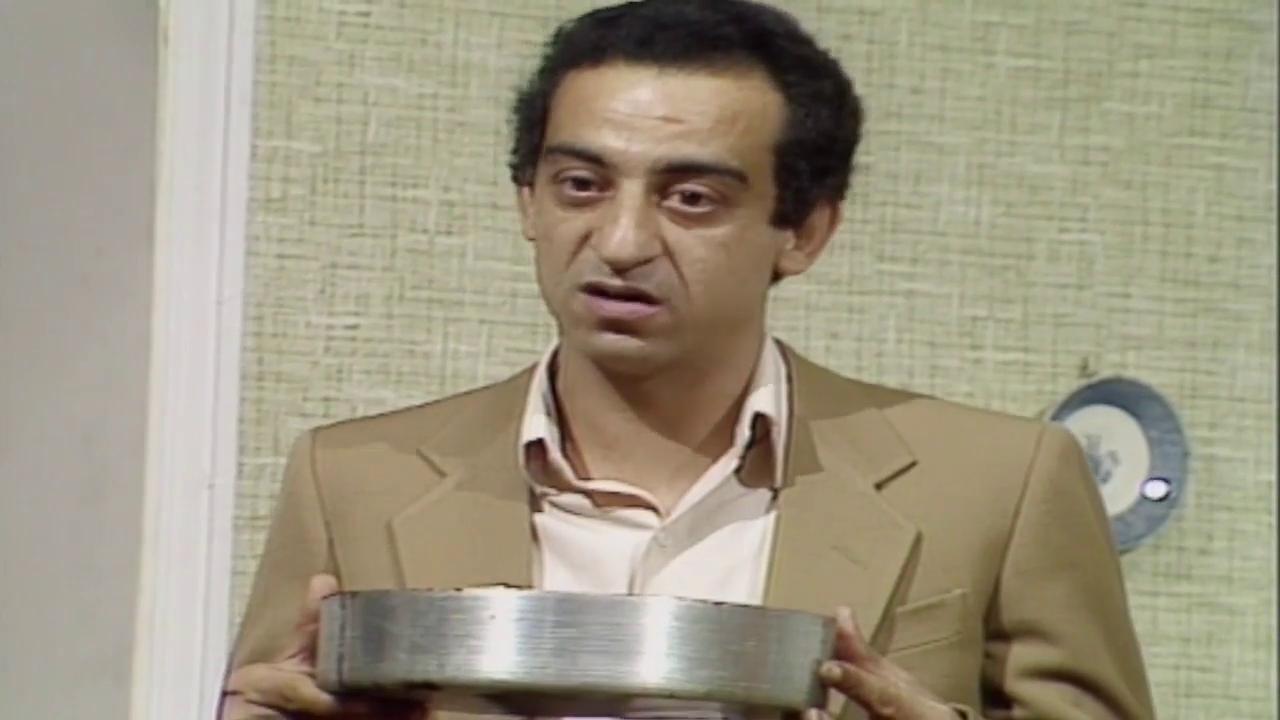
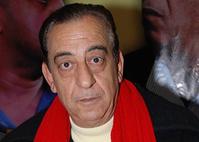
- Name: Ahmed Rateb
- Born: 23 January 1949 — Cairo, Egypt
- Died: 14 December 2016 — Cairo, Egypt
- Nationality: Egyptian
- Profession: Film, television, and stage actor
- Years active: Late 1960s–2016
Early Life and Education
- He grew up in Cairo, where his talent emerged early through school theatre and later university productions.
- He pursued formal study in acting and continued an active stage career before shifting more intensively to film and television.
Entering the Industry
- He moved from amateur and university theatre to professional work in the early 1970s.
- From the early 1980s onward, he stood out in roles portraying the everyday Egyptian—especially the civil servant—delivered with subtle, sharp satire. He had a rare ability to blend comedy and drama in influential supporting and second-lead parts.
Career Highlights
-
He left an extensive body of work across cinema, television, and theatre, exceeding one hundred titles.
-
Notable films:
- Wahda bi-Wahda (One by One, 1984)
- Hatta la Yatir al-Dukhan (So the Smoke Doesn’t Disperse, 1984)
- al-Irhab wal-Kabab (Terrorism and Kebab, 1992) — a landmark social satire
- Toyour al-Zalam (Birds of Darkness, 1995) — a political satire classic
- Ali Beih Mazhar wa 40 Harami (Ali Beih Mazhar and the Forty Thieves)
-
al-Sefara fil-'Imara (The Embassy in the Building, 2005)
-
Standout television work:
- Ra'fat al-Haggan (late 1980s–early 1990s) — a seminal spy series
- al-Mal wal-Banoun (Money and Sons)
- al-Da'iya (The Preacher)
-
al-Gama'a (The Group)
-
He also headlined several crowd-pleasing stage productions throughout the 1990s and beyond.
-
He was renowned for sculpting secondary characters with such precision that they became memorable in their own right, and for a calm, understated comic presence built on quick one-liners and a realist tone. In Egyptian comedy, a short, punchy gag is often called an “ivyeh,” a concise line or look that lands the joke.
Awards and Honors
- He received honors and certificates of appreciation for his overall contribution from Egyptian and Arab festivals and cultural institutions.
Passing
- Ahmed Rateb died on 14 December 2016 in Cairo following a sudden health crisis. The artistic community and audiences mourned him as one of the most distinctive faces of influential supporting roles and refined, understated comedy.
Facts and Anecdotes
- He is regarded as a master of quiet comedy in Egyptian film and television—favoring economical performance and delivering humor through a look or a concise line.
- His career spanned more than four decades, and he remained active in both mainstream hits and serious dramas until his final years, without ever losing his unmistakable signature style.
Films (122)


 6.0
Zahaymar (2010)
6.0
Zahaymar (2010)


Series (16)




Progression
 Nebtedy Menein Al-7Ekaya
(1976)
Nebtedy Menein Al-7Ekaya
(1976)
 2Atel.. Ma2Atalshy 7Ad!!
(1979)
2Atel.. Ma2Atalshy 7Ad!!
(1979)
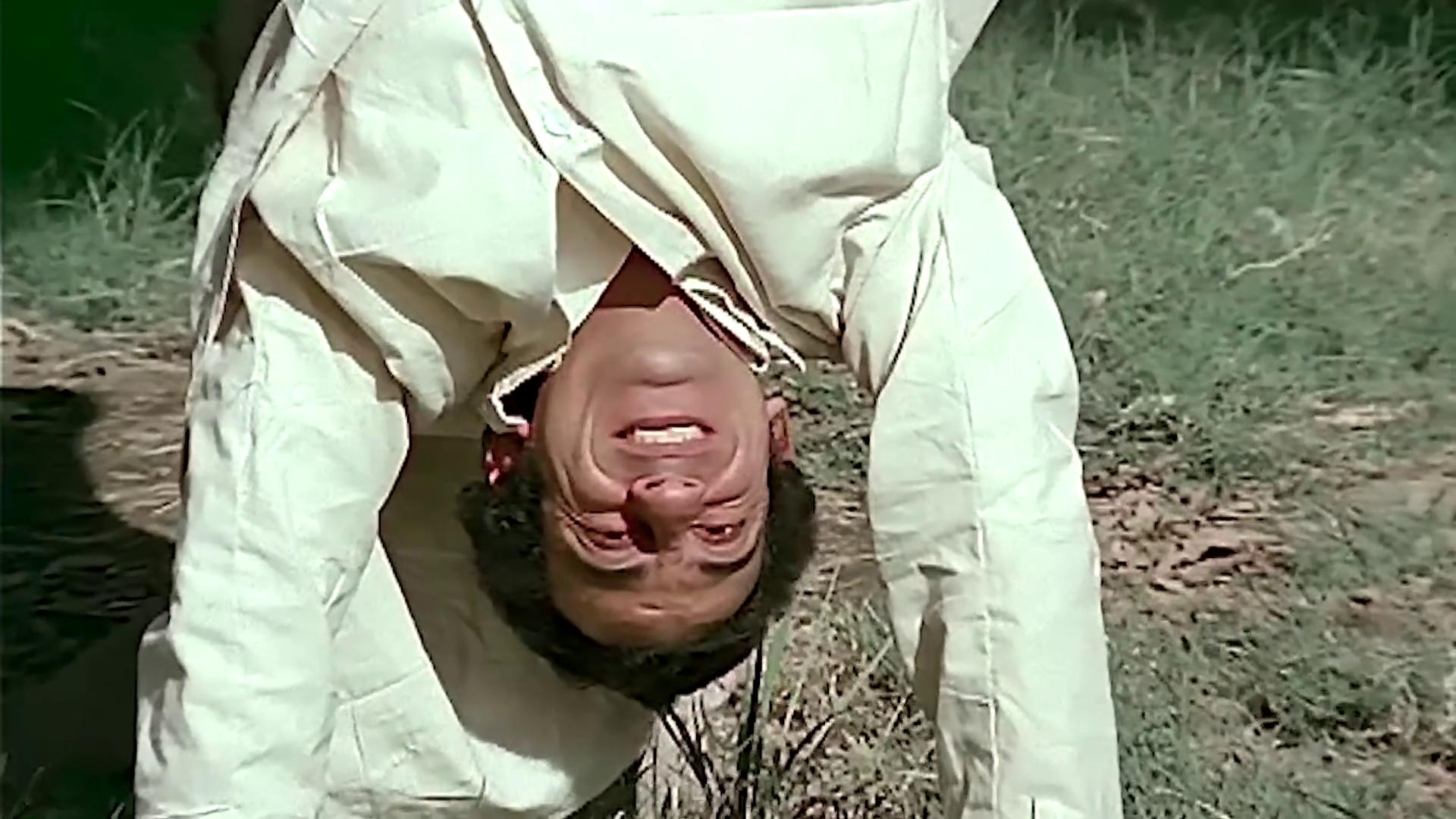 Wa-Qoyedat.. Ded Maghoul
(1981)
Wa-Qoyedat.. Ded Maghoul
(1981)
 3Ala Bab Al-Wazeer
(1982)
3Ala Bab Al-Wazeer
(1982)
 7Atta La Yateer Al-Dokhan
(1984)
7Atta La Yateer Al-Dokhan
(1984)
 Al-Beih Sadiqy
(1985)
Al-Beih Sadiqy
(1985)
 Agras Al-Khatar
(1986)
Agras Al-Khatar
(1986)
 Shahed Ethbat
(1987)
Shahed Ethbat
(1987)
 Al-Felous Wal-Wo7Oush
(1988)
Al-Felous Wal-Wo7Oush
(1988)
 Garima Ella 1/4
(1990)
Garima Ella 1/4
(1990)
 Al-La3Eb Ma3 Al-Kebar
(1991)
Al-La3Eb Ma3 Al-Kebar
(1991)
 Al-Erhab Wal-Kabab
(1992)
Al-Erhab Wal-Kabab
(1992)
Professional network
Show common films with
Family tree
Gallery (318)


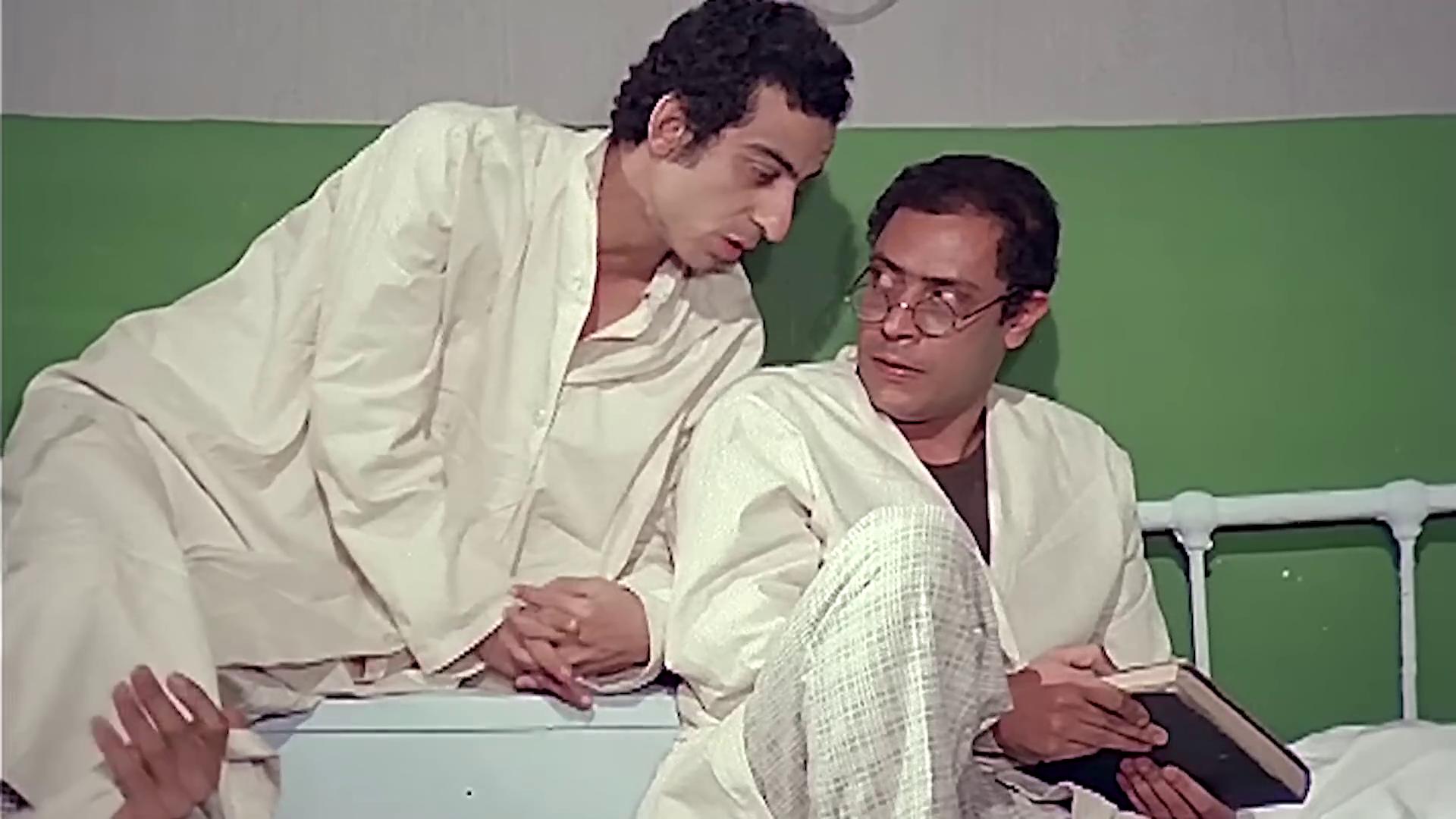


Posters (7)


Characters (13)