
Al-Erhaby


 145 minutes

About
Type:
Color
Duration:
145 minutes
Production year:
1994
Screenwriter
Screenplay
Dialogue
Producer
Director
Cast




Trivia (5)
Diaa Abdel-Khaleq had a small role as the young man carrying drugs inside the metro station.
In the video club that Ali Abdel-Zaher and his companions destroy at the start of the film, posters for Sareq Al-Sayarat and Bawabet Eblees appear.
The film was produced the year after the assassination of writer and thinker Farag Foda, an incident very similar to the assassination of writer and thinker Fouad Masoud at the end of the film.
Goofs (4)
In the National Unity Conference scene, The Priest's turban looks different from the form used in reality.
In the National Unity Conference scene, on the banner reading "Egypt for All Egyptians," the cross looks like a plus sign + rather than the Christian cross shape †.
Ali Abdel-Zaher enters Thakanat El-Maadi metro station heading for Anwar El-Sadat station, but he is then shown waiting for the train on the platform toward Helwan.
In the argument scene between Hany and His Wife, she swears by saying "and Christ" with the first vowel pronounced as i, although the correct pronunciation is known to be "Christ", which is the pronunciation Christians use.


Posters (2)

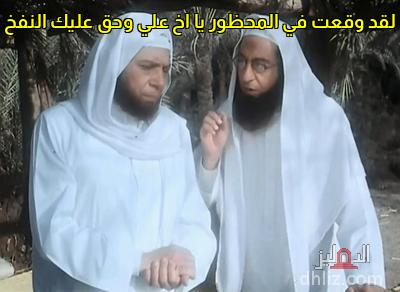
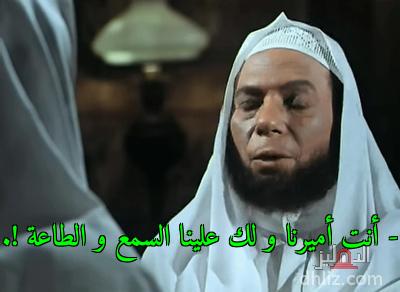
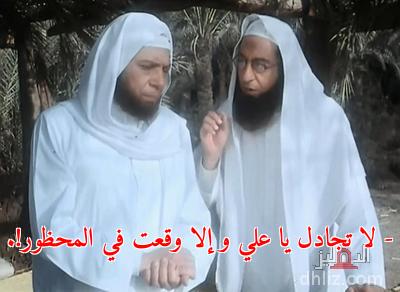
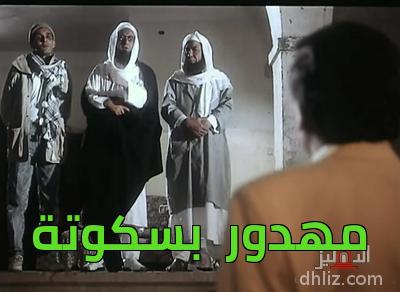


Characters (4)


