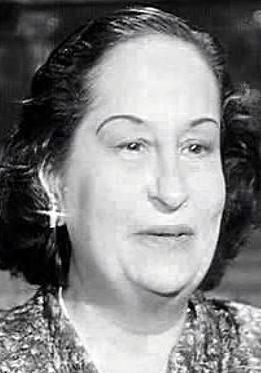
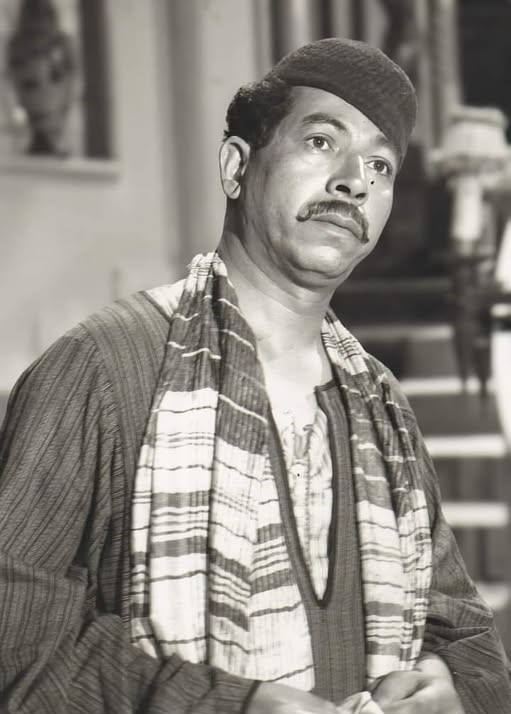
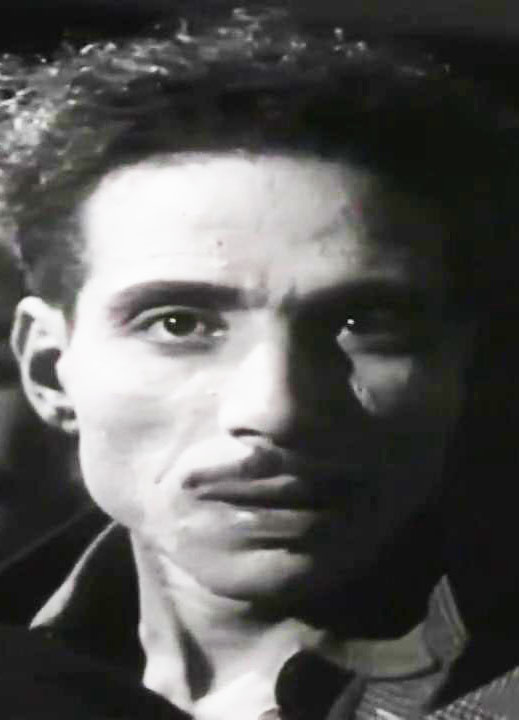
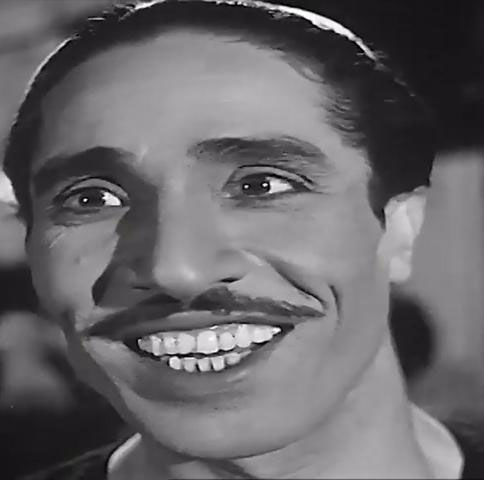
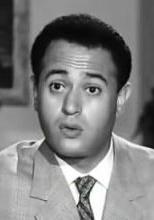
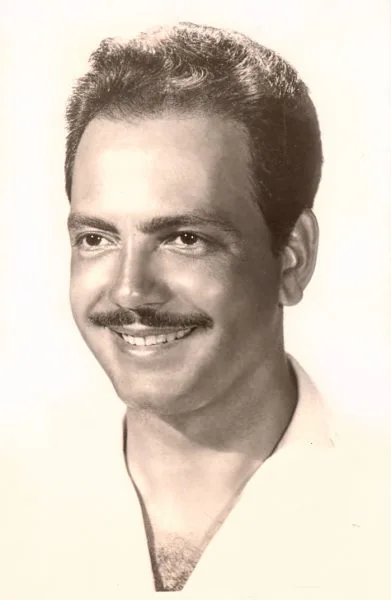
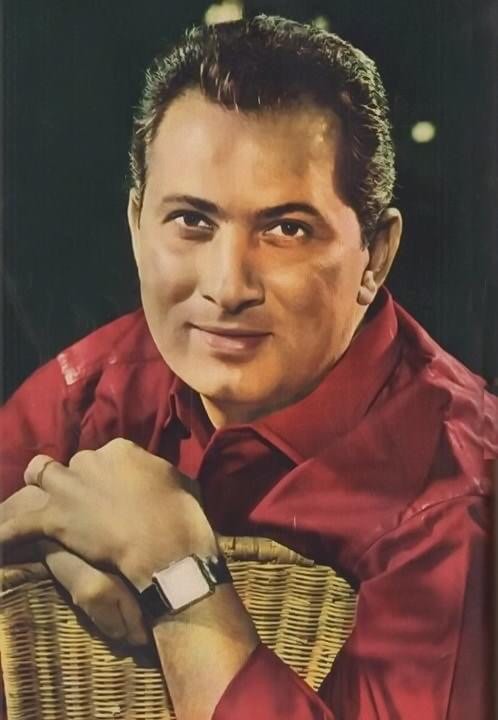
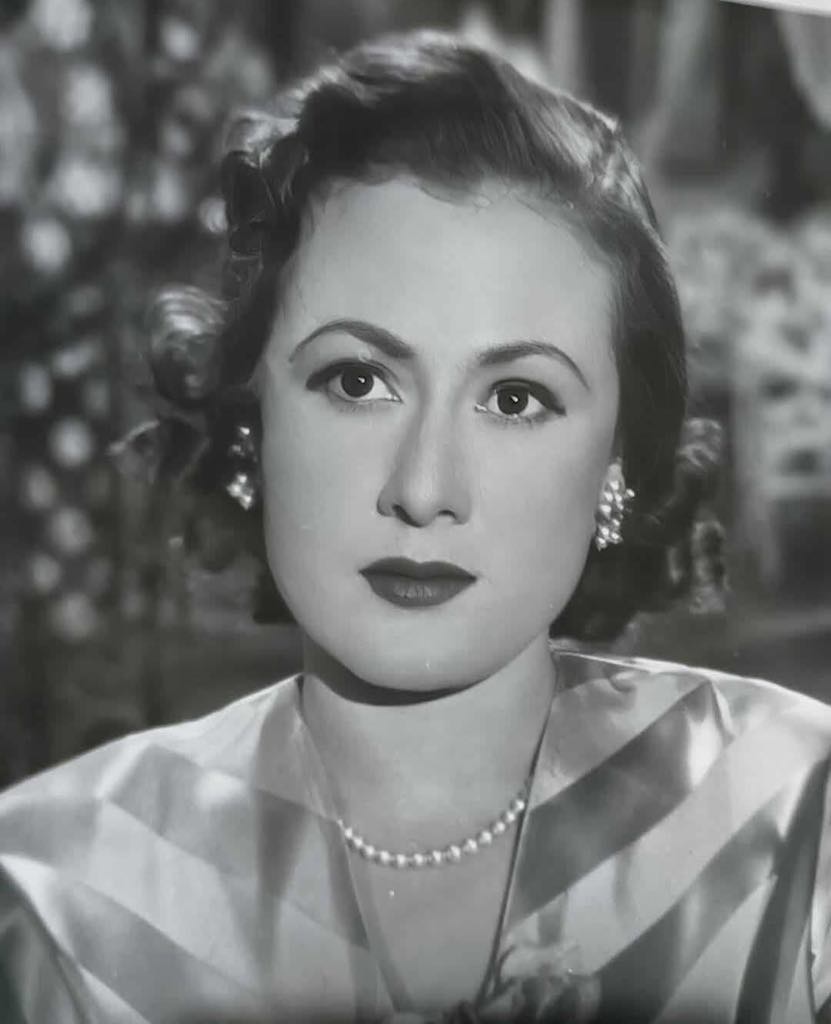
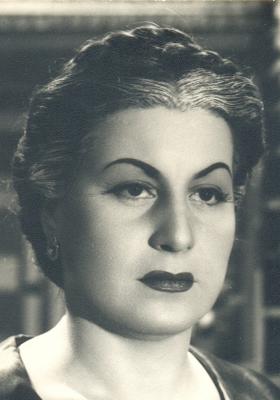
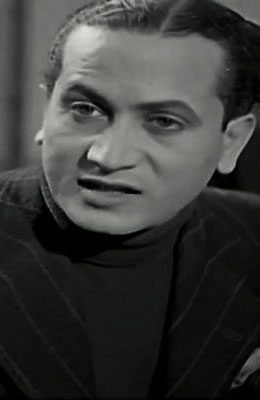
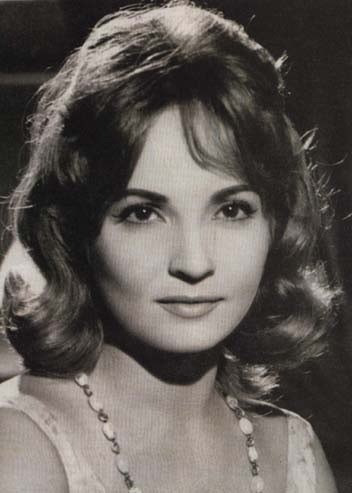
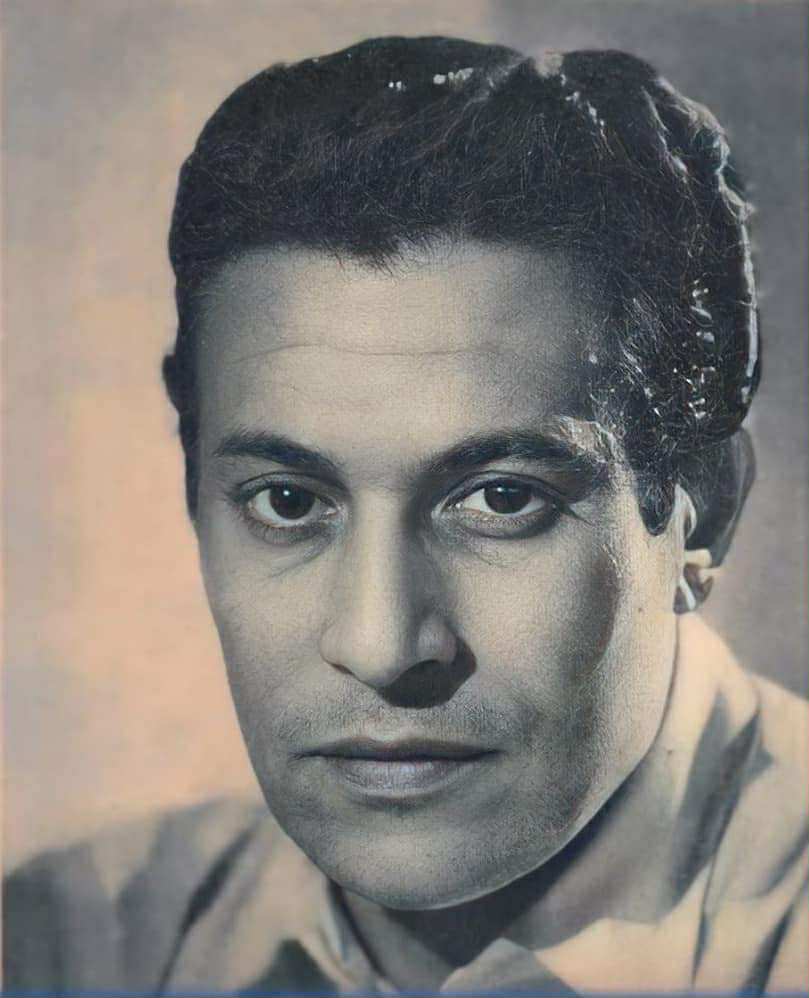
Hussein Riad
 100 films or more
 30 active years or more
Biography and Key Facts
- Name: Hussein Riad (birth name: Hussein Mahmoud Shafiq)
- Born: 13 January 1897 — Cairo, Egypt
- Died: 17 July 1965 — Cairo, Egypt
- Profession: Stage, film, radio, and television actor
- Defining trait: One of the foremost screen embodiments of the quintessential Egyptian father—tender yet firm
Early Life and Education
Born and raised in Cairo, he began acting as an amateur while still a student, joining local amateur troupes and societies before turning professional at a young age.
Entry into the Arts
He launched his career on the stage in the 1910s and early 1920s. With the boom of Egyptian film production in the 1930s, he moved into cinema, while also becoming a familiar voice on radio—and later a recognizable presence on television as it emerged in Egypt.
Performance Style
A poised, restrained performer known for inner emotion, nuanced vocal delivery, and precise timing. He portrayed a wide range of humane characters—most memorably fathers, clerks, and social notables—without caricature or excess.
Selected Works
- Cinema:
- Lashin (1938)
- Al-Nasir Salah al-Din — Saladin the Victorious [historical epic about Sultan Saladin]
- Ah min Hawwa — Oh, Eve! [light romantic comedy; “Hawwa” means “Eve”]
- Wa Islamah — Oh Islam! [historical epic]
- Rodd Qalbi (1957) — Return My Heart [romantic-nationalist drama]
-
Hayat aw Maut — Life or Death [noted suspense drama]
-
Stage and Radio:
- Starred in numerous stage productions and radio dramas, mediums that cemented his popularity with audiences for decades.
Note: Radio drama was a cornerstone of mid‑20th‑century entertainment in Egypt, making voices like Riad’s household fixtures.
Awards and Honors
- Order of Arts, First Class (conferred by the Egyptian state in recognition of his contributions).
- His name continued to be honored posthumously at various official and cultural events, acknowledging his major legacy in acting.
Artistic Legacy
He left a vast body of work across cinema, theater, radio, and television. He is widely credited with defining the archetype of the Egyptian father in the public imagination, maintaining artistic rigor and professional discipline throughout his career until his passing in 1965.