Dhliz rating



About
Date and place of birth:
05/03/1890
Date and place of death:
30/11/1949
- Cairo, Egypt
(59 years)
Years active:*
1923 - 1949
* According to Dhliz film database
More information
Biography
- Bishara Wakim was a prominent Egyptian actor and a pioneer of comedy in cinema and theatre during the 1930s and 1940s.
- He became famous for his impeccable command of the Levantine (al-Shami) dialect, often portraying “al-Shawam”—Levantine characters such as neighborhood merchants—so convincingly that many assumed he wasn’t Egyptian.
- He stood out for his effortless wit and his ability to create unforgettable supporting characters in social comedies.
- Date of birth: 5 March 1890
- Place of birth: Cairo, Egypt
- Date of death: 30 November 1949
- Place of death: Cairo, Egypt
Education and Early Years
- He began as an amateur on Cairo’s theatre stages, then became a professional stage actor before moving into film in the early 1930s.
Career
- With the growth of Egypt’s film industry, he transitioned from theatre to cinema and appeared in a large number of social comedies.
- He became known for roles such as the Shami merchant, nightclub owner, and opportunistic civil servant—played with sly humor and a distinct voice and cadence.
- He was one of the most recognizable faces among supporting actors and was highly prolific throughout the 1930s and 1940s.
Key Works
- Anbar
- Layla bint al-Rif [Layla of the Countryside]
- Sikkat al-Salama [The Safe Road]
- Layla bint al-Madaris [Layla, the Schoolgirl]
- al-Fursan al-Thalatha [The Three Musketeers]
- Gharam wa Intiqam [Love and Revenge]
- Rasasa fi al-Qalb [A Bullet in the Heart]
- Qalbi Dalili [My Heart Is My Guide]
Facts and Anecdotes
- His mastery of the al-Shami dialect became his on‑screen signature, which he used to create precise, understated comedic contrasts.
- Rumors spread that he was of Levantine origin because of his fluency in the Lebanese accent.
Note: In Egyptian cinema, “social comedies” are films that mix humor with everyday life, social norms, and class dynamics, often using character types—like the Shami merchant—to generate cultural and linguistic humor.
Films (110)




Progression
 Barsoum Yab7Ath 3An Wazifa
(1923)
Barsoum Yab7Ath 3An Wazifa
(1923)
 Qays Wa Laila
(1939)
Qays Wa Laila
(1939)
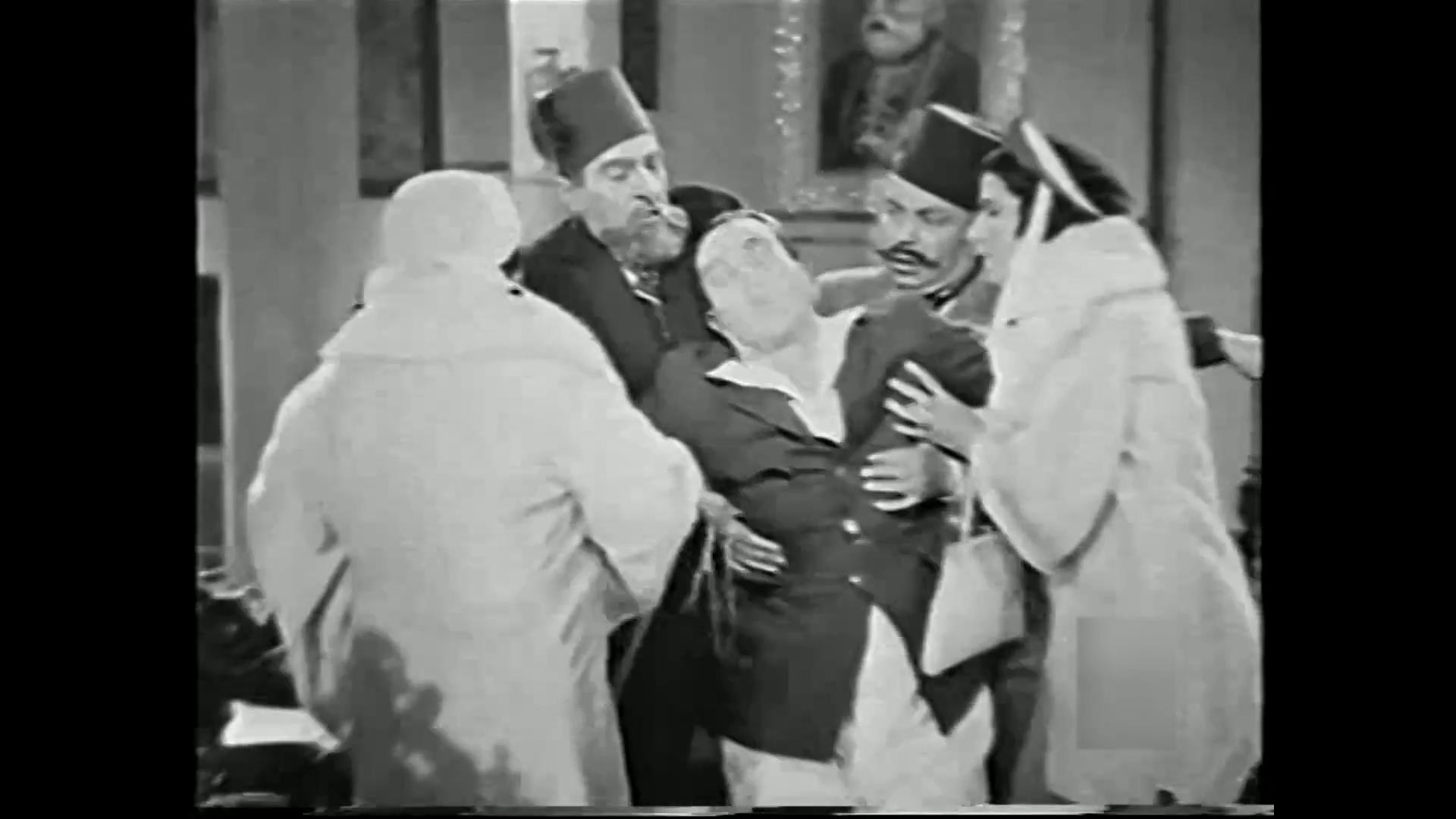 3Aris Men Istanbul
(1941)
3Aris Men Istanbul
(1941)
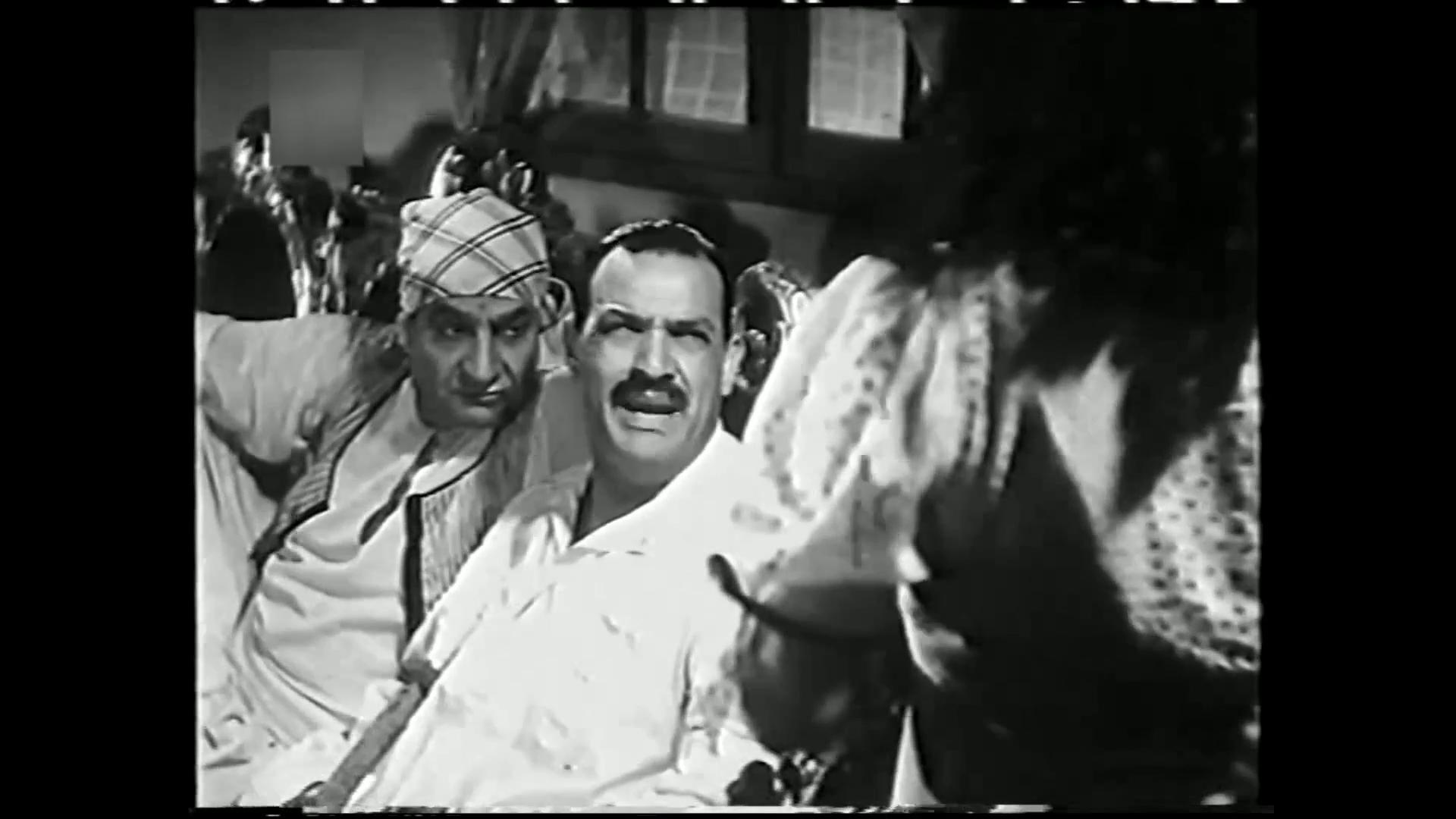 Ibn Al-Balad
(1942)
Ibn Al-Balad
(1942)
 Al-Bo2Sa2
(1943)
Al-Bo2Sa2
(1943)
 7Anan
(1944)
7Anan
(1944)
 Al-Aanesa Boosa
(1945)
Al-Aanesa Boosa
(1945)
 Last Malakan
(1946)
Last Malakan
(1946)
 Qabbelny Ya 2Aby
(1947)
Qabbelny Ya 2Aby
(1947)
 Talaq So3Ad Hanem
(1948)
Talaq So3Ad Hanem
(1948)
Professional network
Show common films with
Family tree


Gallery (981)

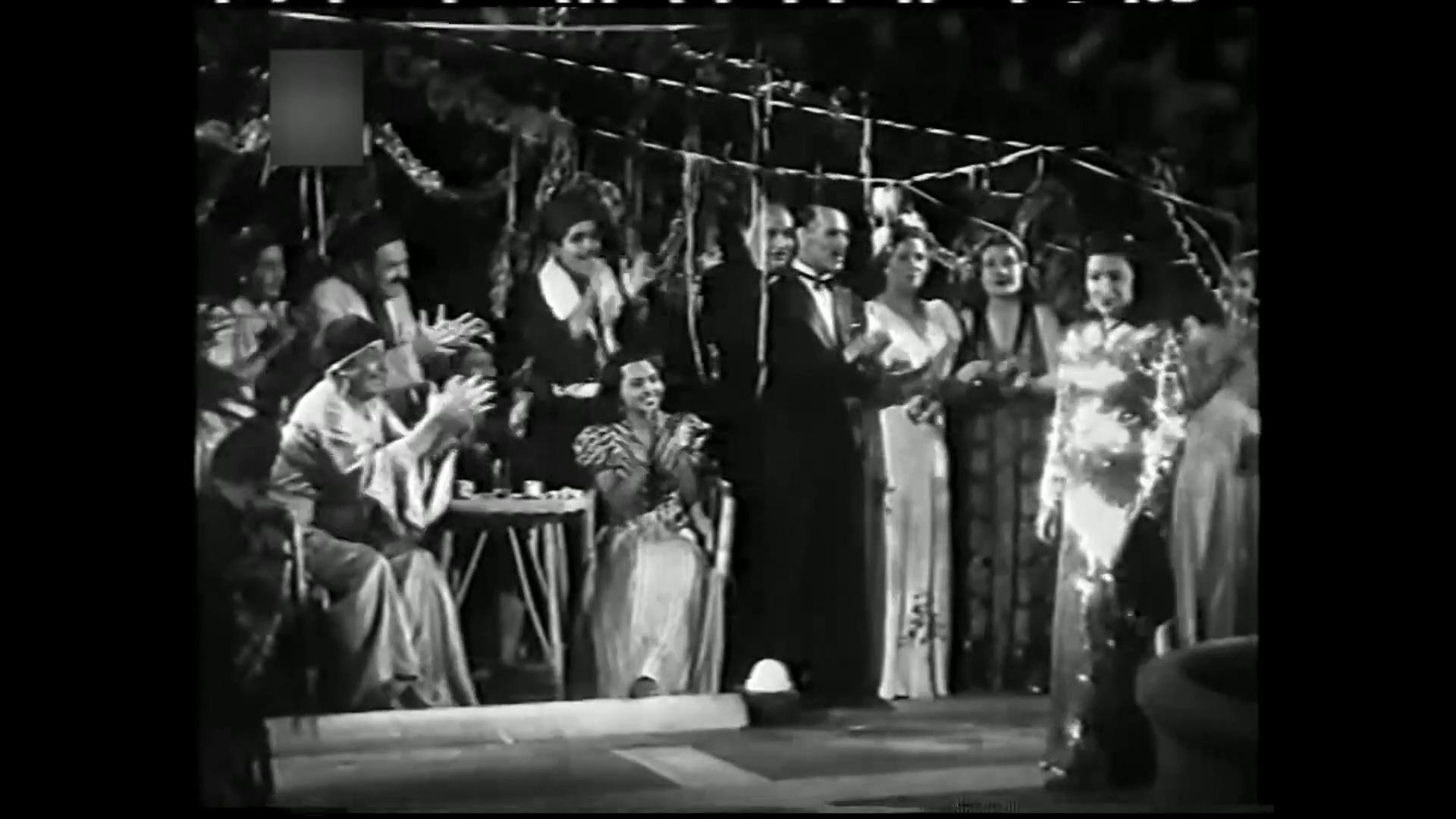


Posters (1)
Other activities (1)