Adel Adham
 75 films or more
 40 active years or more
About
Date and place of birth:
08/03/1928
Date and place of death:
09/02/1996
Years active:*
1949 - 1996
* According to Dhliz film database
More info
Biography
- Name: Adel Adham
- Born: March 8, 1928 — Alexandria, Egypt
- Died: February 9, 1996 — Cairo, Egypt
- Nicknames: The Prince of Egyptian Cinema; the Don Juan of Villainy
- Field: Egyptian film actor celebrated for layered roles, the “elegant villain,” and the reckless aristocrat
Early Life and Education
- Raised in Alexandria; passionate about sports, movement arts, and dance.
- Worked at the Alexandria Cotton Exchange in his youth before turning to the arts.
Entry into the Film Industry
- Began with small roles, quickly drawing attention for his ability to portray psychologically complex characters.
- By the mid-1960s and throughout the 1970s, he became a defining screen presence as a sophisticated villain and domineering aristocrat in Egyptian cinema.
Style and Artistic Traits
- A controlled, understated performance style that relies on body language, expressive eyes, and sharp, concise one‑liners.
- Shaped a distinctive “elegant villain” persona that made him an icon of this archetype.
- Known for his signature laugh and meticulous attention to costumes and accessories, using them to deepen character details.
Selected Works
- Al‑Shaytan Ya'izh (The Devil Preaches) — 1981
- Hafiya 'ala Gisr min al‑Dhahab (Barefoot on a Bridge of Gold) — 1976
- Jahim Taht al‑Ma' (Hell Under Water)
- Sawaq al‑Hanim (Her Ladyship’s Driver)
- Al‑Raqisa wal‑Tabbal (The Dancer and the Drummer)
Additional Information
- His career spanned several decades, and he appeared in dozens of films that cemented his status as one of the most important interpreters of complex villainy in the history of Egyptian cinema.
Notes on Terms and Cultural References
- “Elegant villain”: A suave, well‑dressed antagonist whose menace stems from charm and refinement rather than brute force.
- “Don Juan”: A cultural shorthand for a seductive man; here it highlights his alluring screen presence even when playing villains.
- “One‑liner” (from the Egyptian term “ifih/’efeh”): A memorable, punchy line used to punctuate a scene or reveal character.
- Title elements like “Al‑” are transliterated with a hyphen, and apostrophes (') mark sounds such as ‘ayn or hamza in Arabic names and titles.
Films (87)





Guest of honor (1)

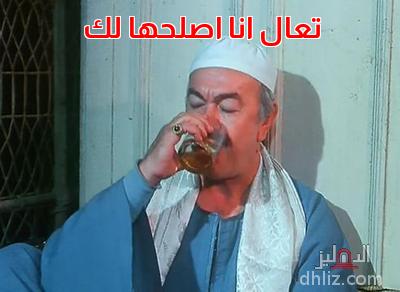
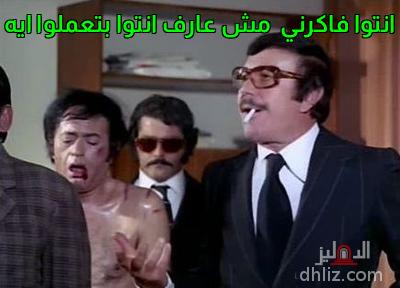
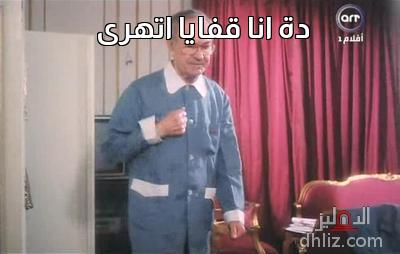
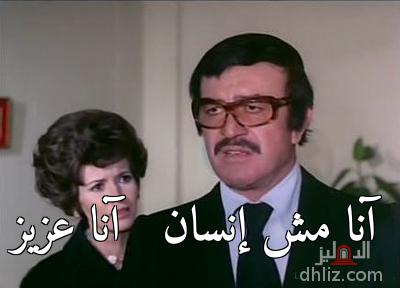
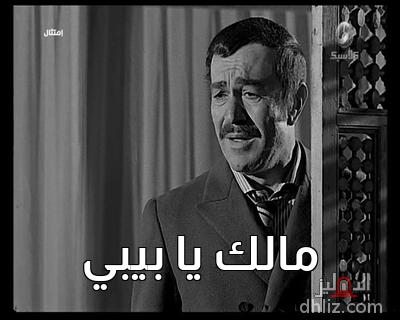
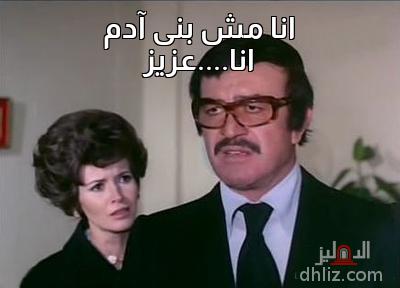
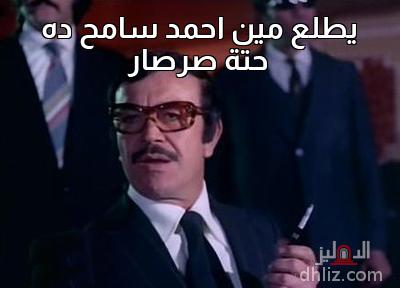
Gallery (405)



Professional network
Find common works with
Roles (22)





Trivia (9)
His father was a senior government employee.
His mother was of Turkish origin.
In his childhood, his family moved to live in two chalets owned by the family of his mother in Sidi Bishr, Alexandria.
He was interested in sports from childhood, practicing track and field sports, including boxing, wrestling and swimming.. He settled on gymnastics and excelled at it.
He became well known as an athlete in Alexandria, and was nicknamed "the Prince".
He then turned to acting, but the artist Anwar Wagdi discouraged him at first, saying he was not suitable.
He then began learning dance with Ali Reda.
After starting artistically in a few films in small roles, he stayed away from cinema for many years to work at the cotton exchange in Alexandria, before returning again in the early 1960s.
After nationalization, he left the exchange and decided to travel abroad, but during that time he met the director Ahmad Diaa Al-Din, who presented him in the film Hal Ana Magnouna.
Gallery (405)
Posters (4)


Through the years
 Al-Bayt Al-Kabir
(1949)
Al-Bayt Al-Kabir
(1949)
 Makansh 3al-Bal
(1950)
Makansh 3al-Bal
(1950)
 Fatah Shatha
(1964)
Fatah Shatha
(1964)
 Al-Moghameroun Al-Thalatha
(1965)
Al-Moghameroun Al-Thalatha
(1965)
 Fares Bany Hamdan
(1966)
Fares Bany Hamdan
(1966)
 Akhtar Ragol Fel-3alam
(1967)
Akhtar Ragol Fel-3alam
(1967)
 Ayam Al-Hob
(1968)
Ayam Al-Hob
(1968)
 Youm Wa7ed 3asal
(1969)
Youm Wa7ed 3asal
(1969)
 Al-Ashrar
(1970)
Al-Ashrar
(1970)
 Al-Qatala
(1971)
Al-Qatala
(1971)
 Emtethal
(1972)
Emtethal
(1972)
 Al-Ontha Wal-The2ab
(1975)
Al-Ontha Wal-The2ab
(1975)
Awards (5)
Award from the General Cinema Organization.
Award from the Egyptian Association of Film Writers and Critics.
Award from the Egyptian Society for Film Art.
Alexandria International Film Festival Award, 1985.
Second Egyptian Film Festival Award, 1996.