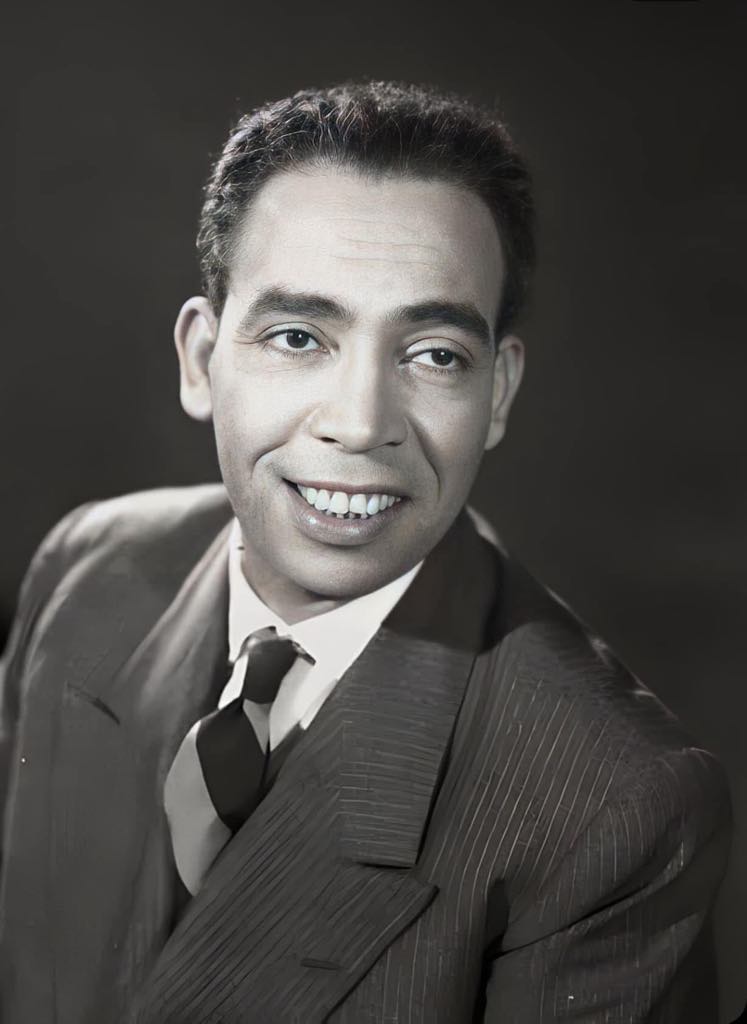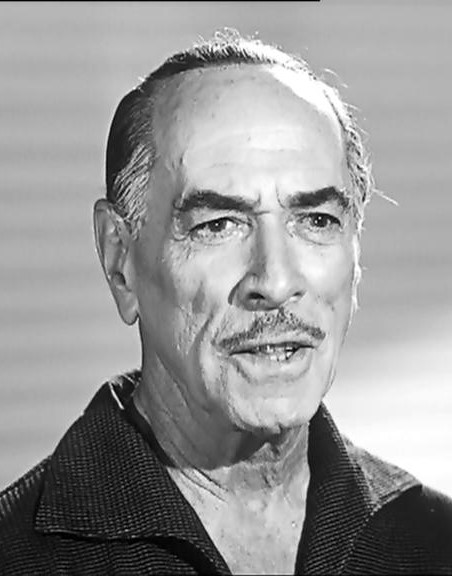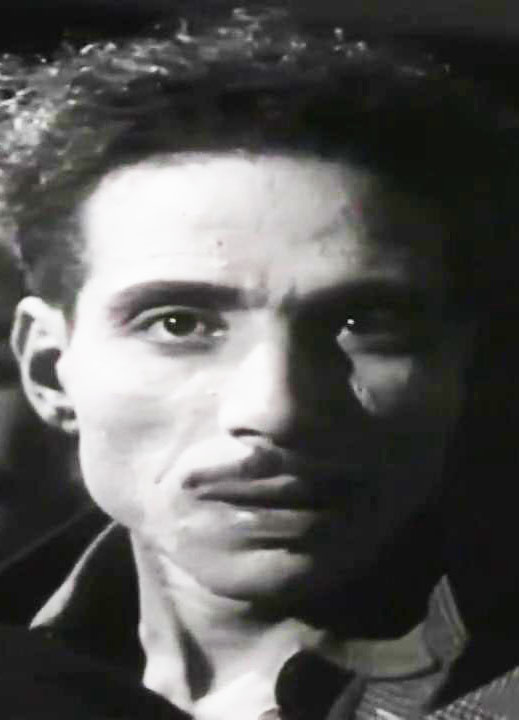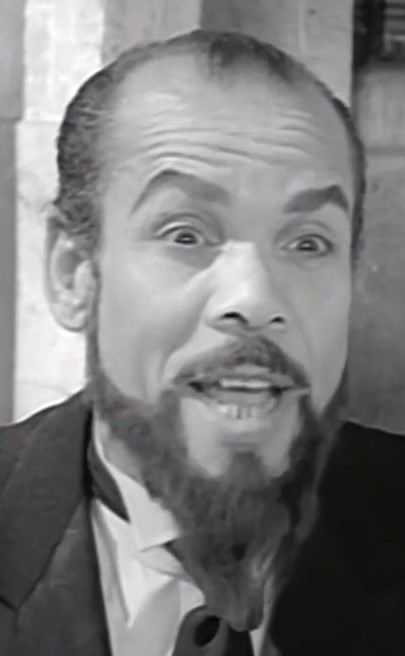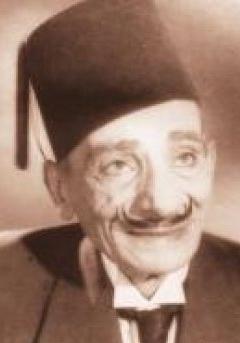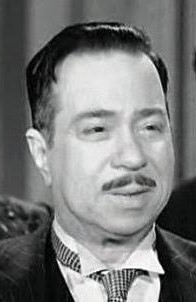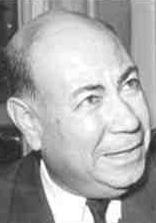
Hassan Fayek
 150 films or more
 30 active years or more
About
Date and place of birth:
07/01/1891
Date and place of death:
14/09/1980
- Cairo, Egypt
(89 years)
Years active:*
1932 - 1971
* According to Dhliz film database
More info
Hassan Fayek
About the Artist
- Name: Hassan Fayek
- Date of Birth: 7 January 1891
- Place of Birth: Alexandria, Egypt
- Date of Death: 14 September 1980
- Place of Death: Cairo, Egypt
- Profession: Comic actor on stage and screen
- Years Active: Late 1910s to mid-1970s
- Distinctive Traits: A signature laugh that became his aural hallmark, and a scene-enhancing presence as a supporting comedian who balanced the tone and enriched comedic moments.
Early Life and Education
- Born and raised in Alexandria.
- Showed early artistic leanings, performing satirical monologues in Alexandria’s theaters and cafés before moving to Cairo.
Note: “Monologues” (often called manologat in Egyptian popular culture) were short, comedic solo pieces—sometimes musical—delivered on stage or in cafés.
Entry into the Arts
- Began with comic monologues, then transitioned to professional theater in Cairo toward the end of the 1910s.
- Became known for quick, crisp punchlines (the Egyptian term ifeh refers to a gag or punchline) and a distinctive laugh—qualities that led naturally to film work as the industry expanded in the 1930s.
Major Works (Selected)
- In cinema, he appeared in a wide range of comedies throughout the 1940s, 1950s, and 1960s. Notable titles include:
- La'bat al-Sitt (1946) — “The Lady’s Game”
- Abu Halmus (1947)
- al-Zawga 13 (1962) — “Wife No. 13”
- Khatib Mama — “Mama’s Fiancé”
- Ma'boudat al-Jamahir — “Idol of the Masses”
- Sahib al-Jalala — “His Majesty”
Personal Life and Passing
- In the mid-1970s, he suffered a stroke that affected his speech and forced him to withdraw from artistic work. He passed away in Cairo on 14 September 1980.
Style and Influence
- Relied on a commanding stage presence and finely tuned comedic timing, delivering short, sharp punchlines. His famous laugh was used deliberately as a dramatic device to ignite scenes and diffuse tension.
- Excelled in supporting roles that gave leads room to shine while strengthening the comic balance of a scene—becoming a touchstone for the “supporting comedian” model in Egyptian cinema.
Facts and Anecdotes
- His distinctive laugh became a recognizable audio signature in popular memory.
- He started with monologues, then moved to theater and finally cinema—carrying over an improvisational spirit and quick-fire gags.
- One of the most familiar faces in classic Egyptian comedy, he sustained a long career that only ended when illness intervened.
Films (146)


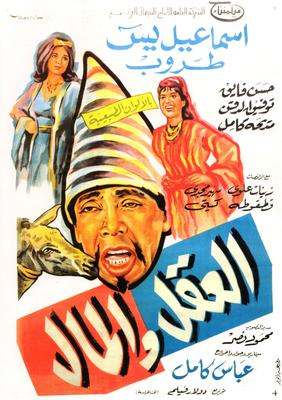

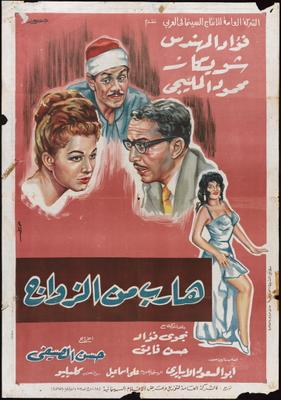
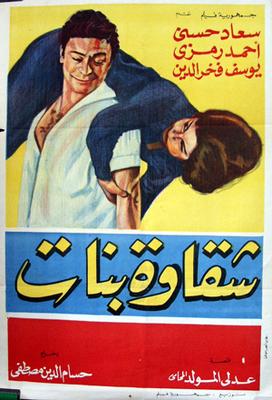
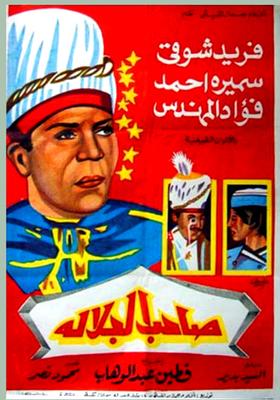
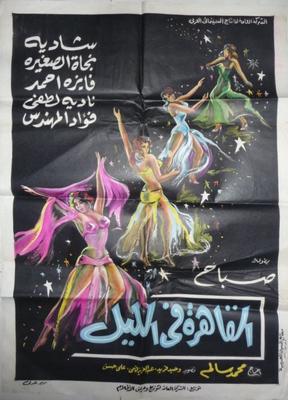

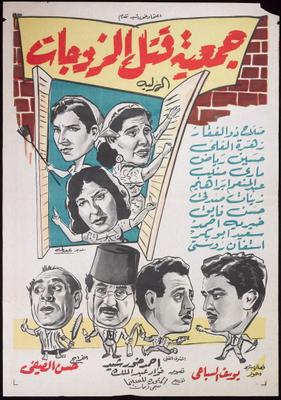
Guest of honor (2)


Gallery (1390)


User memes (10)
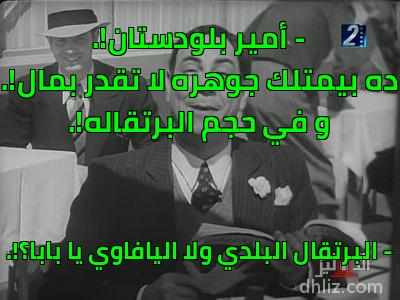


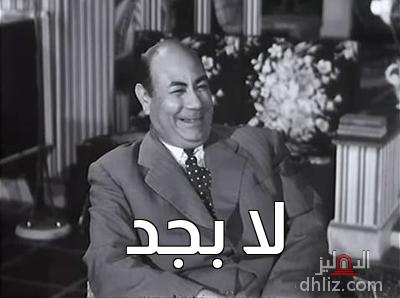
Professional network
Find common works with





Trivia (5)
He began his artistic career at the age of 16, with an amateur troupe.
He joined Aziz Eid's troupe, then left it.
He formed a troupe bearing his name and opened it with Play: Beauty Queen, which he wrote.
He used to write and compose the monologues he performed, starting in 1919.
He had a familiar way of laughing in a distinctive voice.
Gallery (1390)
Posters (1)
Through the years

Make meme
Salama Fe Kheir
(1937)

Make meme
Qalb Emra2a
(1940)


Make meme
Kedb Fe Kedb
(1944)

Make meme
Al-Aanesa Boosa
(1945)

Make meme
Magd... Wa Domou3
(1946)


See also